In brief
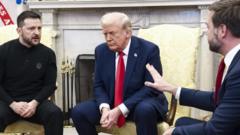
In a bold move, U.S. Vice President JD Vance overtook the expected diplomatic protocol by publicly criticizing Ukrainian President Volodymyr Zelensky during a recent Oval Office meeting, sparking discussions about the future of U.S. foreign policy and Vance's role in the Trump administration.
In a striking departure from traditional diplomatic decorum, Vice President JD Vance took a leading role in criticizing Ukrainian President Volodymyr Zelensky during a White House meeting that initially appeared to be cordial. This confrontation raises questions about the evolving dynamics of U.S. foreign policy towards Ukraine amid its war with Russia.Vance's scathing remarks came in response to Zelensky's skepticism about the U.S. administration's approach to diplomacy, particularly regarding direct talks with Moscow. The Vice President declared, “I'm talking about the kind of diplomacy that's going to end the destruction of your country,” in a manner that left the Ukrainian leader visibly taken aback.Additionally, Vance accused Zelensky of supporting the Democratic agenda during the 2024 elections, particularly highlighting a past visit in which Zelensky met key political figures from that party in the swing state of Pennsylvania. This raised eyebrows among Republican lawmakers, with figures like Senator Lindsey Graham voicing their support for Vance's bold stance, while others mirrored a more cautious tone, calling the meeting a “missed opportunity.”Historically, the role of the U.S. Vice President has been to quietly support the President, usually shying away from confrontational public displays. In contrast to the more reserved Mike Pence, Vance is increasingly being viewed as a political gladiator, one who does not shy away from attacking adversaries at home and abroad. His outspoken skepticism towards U.S. aid to Ukraine has been a consistent theme, as noted from his time campaigning for the Ohio Senate.Vance's trajectory mirrors an alignment with Trump's populist rhetoric, signifying a departure from traditional bipartisan support for Ukraine. Already, Vance has shown a penchant for instigating ideological debates, notably his remarks at the Munich Security Conference, where he lambasted European leadership on issues of free speech and immigration.This latest verbal onslaught against Zelensky raises significant questions about whether Vance's aggression is a calculated part of a broader strategy for the Trump administration or an indication of his ambitions for future political contests, especially with Trump likely absent from the 2028 race.As the contours of U.S. foreign policy shift, Vance is stepping to the forefront, potentially redefining the role of the Vice President as a figure of engaging directly and confrontationally with global allies. In doing so, he is carving out a new identity that could have lasting implications for the future of American diplomacy and its international relationships.