In brief
In light of the ongoing US tariff war, India has the opportunity to reassess its protectionist policies and embrace economic reforms reminiscent of its liberalization in 1991.
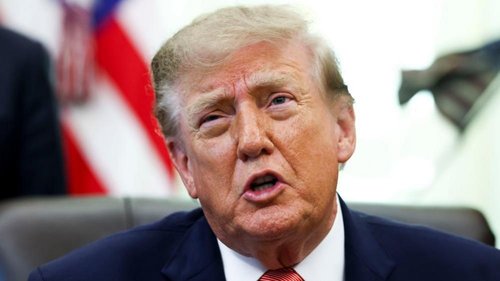
India has historically turned to economic reforms during challenging times, with the liberalization efforts of 1991 serving as a prominent example. Now, as the tariff war ignited by US President Donald Trump unfolds, India finds itself at another critical juncture. Can the world's fifth-largest economy shed its protectionist tendencies and further open up to global trade?Under Trump’s presidency, India has been labeled a “tariff king,” with import tariffs averaging around 12%, one of the highest in the world compared to the US's 2.2%, China's 3%, and Japan's 1.7%. High tariffs have inflated costs for companies linked to global value chains and hurt India’s competitivity on international platforms. Despite a boost in exports, primarily from the services sector, India maintains a substantial trade deficit with only 1.5% of global exports.The question remains whether Trump’s tariff war could drive India to reform or compel it to double down on its protective measures. Recent actions by Prime Minister Narendra Modi's government suggest a shift, as demonstrated by the unilateral reduction of tariffs on Bourbon whiskey and motorcycles ahead of Modi's meeting with Trump. Commerce Minister Piyush Goyal has actively sought deals, acknowledging the risks of retaliatory tariffs, which could cost India up to $7 billion annually, impacting various sectors including chemicals and auto.The plan for greater cooperation was further exemplified this week when Indian telecom giants, including Reliance Jio, partnered with Elon Musk's SpaceX to provide satellite internet through Starlink. This collaboration highlights India’s potential to engage in transformative global partnerships.Despite the surge in growth experienced from the late 1990s onward, India’s approach has become increasingly inward over the past decade, hampering the effectiveness of initiatives like Make in India aimed at bolstering manufacturing. Economists emphasize the need to reduce tariffs to boost exports and increase India’s global trade participation.Experts warn against further tariff increases that could cause economic damage. Relying solely on a robust service sector is inadequate for addressing job needs among unskilled workers, as a large portion still operates in low-productivity sectors like agriculture. A comprehensive revamp of trade policies may be pressing, with suggestions calling for a collective reduction in tariffs while maintaining safeguards against dumping from countries like China.Concerns persist that India’s eagerness to appease the US could lead to unfavorable compromises, undermining its negotiating power. A balanced strategy, one that seizes the potential opportunity presented by the tariff conflicts while safeguarding against market disruptions, might just provide the pathway for reform.Ultimately, some economists argue these unintended consequences of the tariff wars could catalyze much-needed reforms within India. However, without significant efficiencies and rigorous economic strategies, India risks being left behind, especially as global supply chains continue to evolve. In this climate, the challenge remains: will India be able to capitalize on the current trade turmoil to foster growth and innovation?