In brief
After years of stagnation and public fear following disasters like Chernobyl and Fukushima, nuclear power is making a comeback, driven by climate goals and energy needs. Tech giants and countries like the US and France are investing heavily, but safety concerns and waste disposal remain contentious issues.
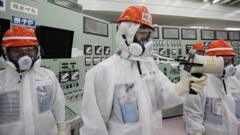
With increasing urgency to address climate change, the world is witnessing a newfound interest in nuclear power, as several countries and technology giants make bold investments in this once-maligned energy source. A decade after facing substantial setbacks due to safety concerns from incidents like the Chernobyl disaster in 1986 and Fukushima in 2011, the nuclear sector is gaining momentum again. Countries such as South Korea and France are revising their nuclear strategies, with South Korea canceling its phase-out plan and France opting to build additional reactors. At the recent UN Climate Change Conference (COP29) in Azerbaijan, the US government proclaimed its aim to triple nuclear generation by 2050, joining 31 other nations in embracing the potential of nuclear for meeting carbon reduction targets.Technology companies are not being left behind in this nuclear renaissance. Microsoft is set to reactivate the infamous Three Mile Island plant, while Google and Amazon are backing development in Small Modular Reactor (SMR) technology to enhance the efficiency and cost-effectiveness of nuclear energy generation.Nonetheless, the debate around nuclear power remains polarized. Advocates argue that nuclear fission is a comprehensive low-emission energy source critical for ambitious climate goals. However, opponents maintain that nuclear energy is expensive and not as clean as promoted, advocating instead for investment in cheaper, low-carbon alternatives.Another significant hurdle for the nuclear industry is the unresolved issue of radioactive waste management. While geological disposal in deep-sealed tunnels is the suggested route, only Finland has succeeded in establishing such a facility. Critics argue that burying waste presents risks that could have dire consequences for future generations.As conversations about the future of energy evolve, the outcome of this nuclear revival could hinge on addressing both public concerns and technical challenges. Ultimately, the proposed new age for nuclear power depends on resolving these longstanding issues while ensuring the safety and reliability that will be essential for gaining broader public support.