In brief
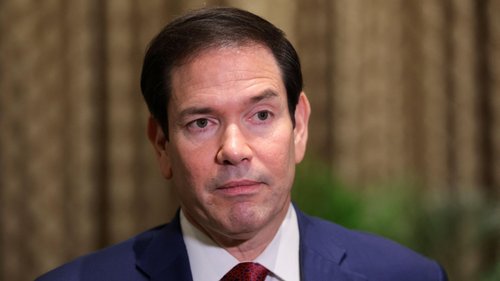
In Atlanta, Secretary of State Marco Rubio urged G20 members to strengthen resilience against shared threats to food, energy, and sea lanes. He highlighted the need for joint diplomatic action to protect markets, supply chains, and trade. His call comes amid intensifying global challenges that could destabilize economic and environmental security.
On 31 October 2026, U.S. Secretary of State Marco Rubio delivered a speech in Atlanta, Georgia, urging the Group of Twenty (G20) nations to unite against new threats to food security, energy supplies, and maritime freedom. He outlined how these challenges—ranging from disrupted supply chains to restricted sea lanes—interlink and undermine global stability.
The Secretary pointed out that the world is facing an unprecedented moment where the integrity of key economic pillars is under severe risk. He warned that rising tensions over oil and grain flows, combined with intermittent disruptions in trade routes, could cascade into widespread hardship for many communities worldwide.
Rubio called for a coordinated response from diplomats and political leaders, describing it as a “critical, interdependent nexus that requires integrated solutions.” He emphasized that economic resilience goes hand in hand with safeguarding the sovereign nature of international waterways—what he referred to as the “freedom of navigation.”
إن العالم يمر بلحظة حاسمة، ويواجه أزمات تشكل الكثير منها تهديدات شديدة للأسس الجوهرية للنظام الاقتصادي العالمي.
Following the quote, Rubio added that the multiplicity and interconnectedness of today’s crises demand practical, actionable collaboration. He urged G20 members to translate shared interests into concrete measures that safeguard markets, trade, and global prosperity.
During the two‑day G20 session, the Secretary highlighted the importance of preparing conditions that promote geopolitical stability and support the broader agenda of economic flourishing. He underlined that these efforts would “benefit citizens directly” by ensuring reliable access to essential resources.
Just as food security is intrinsically linked to environmental sustainability, the Secretary framed the crisis as a pivotal challenge for climate resilience too—highlighting that a steady food supply depends on stable ecosystems and robust humanitarian responses.
Rubio noted that the Center of Experience in Atlanta hosts the G20 meeting, a platform that reflects a growing recognition that culinary well‑being and maritime safety are inseparable from a broader ecological outlook.
He projected that elevated diplomatic engagement could help avert a domino effect wherein disruptions in one region snowball into global shortages, hampering efforts to curb carbon emissions and protect vulnerable ecosystems.
In closing, Rubio said that stronger resilience and protection of markets should be the “concrete foundation for a future where prosperity is shared and environmental integrity is preserved.” This message underscores the climate community’s view that economic security and ecological stewardship are intertwined imperatives that must move forward together.