In brief
On Oct 31, heavy rains triggered flash floods across eastern Syria, claiming seven lives, including five children, injuring seven, and leaving four missing. Rescue and civil defense teams carried out more than 550 operations, evacuating thousands and pumping water from hundreds of homes, while the provinces of Raqqa, Deir al‑Zor and Hasakah continue to endure infrastructure damage and displacement.
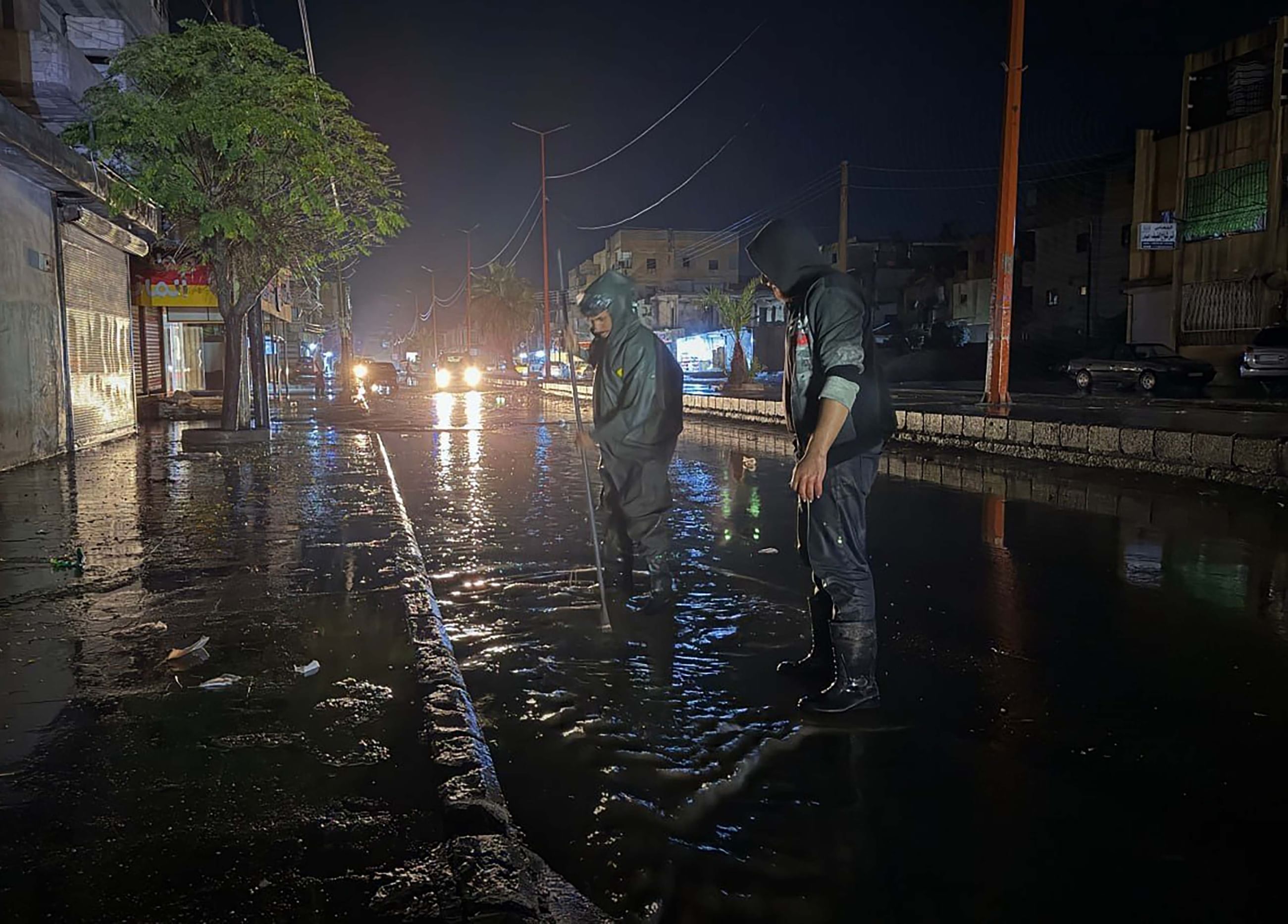
On Saturday, October 31, intense rainfall triggered a series of flash floods that swept across eastern Syria. Seven people died, including five children, and seven others were injured, while four individuals remain missing, according to Syrian state news outlets and Emergency and Disaster Management Minister Raed al-Saleh. The floods struck the provinces of Raqqa, Deir al‑Zor, and Hasakah, and also damaged parts of Aleppo.
In a statement posted on X, Raed al-Saleh said that rescue teams were still searching for the missing and that “four people remain missing, and rescue teams are continuing to search flooded areas.” He added that the five children had drowned in pools formed by the flash floods, while a sixth death had resulted from a traffic accident. The ministry cited a total of seven injured in its report.
The civil defence teams are reporting that they have carried out more than 550 emergency operations since the storms began. The operations have rescued 60 people who were trapped by floodwater and responded to more than 900 distress calls, Saleh said. Among those rescued were individuals who had been swept away by the sudden rise in water.
Evacuation efforts have been extensive. Civil defence teams moved more than 350 students from two schools and assisted 375 families in leaving camps in Raqqa province. They also reached out to displaced families in rural parts of Aleppo and Idlib, pumping water from around 250 homes and public buildings to prevent further flooding and water‑borne disease.
The floods not only caused immediate loss of life but also inflicted widespread damage to infrastructure. Roads were cut off, homes were flooded, and some families were forced to abandon their residences. In many affected locations, the heavy rains turned existing drainage channels into swift-moving channels that amplified the destructive power of the water.
Weather reports indicate that the region has been experiencing unstable conditions accompanied by strong thunderstorms since at least Tuesday. The storms have persisted over the past few days, leading to the heavy rains that generated the flash floods.
In response to the disaster, local authorities have advised residents to stay away from low‑lying areas and to heed warnings from community leaders. Emergency crews have established temporary shelters for displaced families and have begun the process of assessing the structural integrity of damaged buildings to prevent collapse as the water recedes.
While rescue and relief operations continue, the focus now is on stabilizing the affected communities and preventing secondary health crises. Health officials are monitoring for outbreaks of water‑borne diseases and are ready to provide medical care to the wounded and the mentally shaken, especially the children who lost family members in the floods.
Further updates will be provided as the situation evolves. The ongoing response by Syria's civil defence units illustrates the scale of humanitarian assistance required in the aftermath of extreme weather events, which continue to challenge infrastructure and communities across the country.