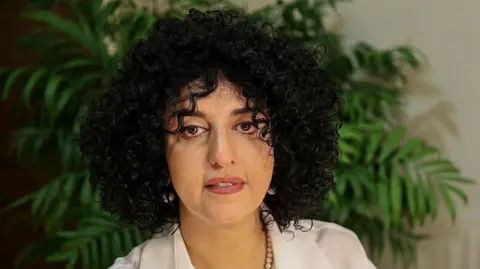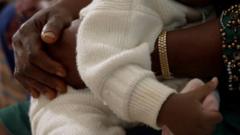
The quest for motherhood can lead desperate women down treacherous paths, particularly in regions like Nigeria where social pressures to conceive are overwhelming. Chioma, who claims to be the mother of baby Hope, is embroiled in a scandal that raises questions about a scam that has been taking advantage of such desperation. After eight long years without success in her attempts to conceive, Chioma sees Hope as her miracle. However, her in-laws contest her claim that Hope is their biological child, leading to an interrogation by the state commissioner for women affairs and social welfare, Ify Obinabo.
This is not a unique event, as Chioma's case is part of a broader investigation into the disturbing "cryptic pregnancy" scam that has surfaced across Nigeria. Many women with an intense desire to become mothers have been lured to fraudulent clinics that promise unproven fertility treatments. These scams use outrageous claims, which can involve injections or dubious substances, convincing women that they are carrying children that cannot be detected by regular medical checks.
Many women who undergo this semi-grimy process report physiological changes, leading them to genuinely believe they are pregnant. Tragically, when it comes time to "deliver," these women are subjected to various forms of manipulation, often being sedated or coerced with dangerous injections. The women emerge with babies they are told they have birthed, but often, these children are products of trafficking networks exploiting various vulnerabilities.
BBC Africa Eye has uncovered these secretive clinics, featuring testimonies from women like Chioma. The investigation revealed women often returning to these clinics in the hopes of receiving confirmation that their pregnancies are progressing, only to be met with further financial demands for more treatments, sometimes reaching thousands of dollars.
Though cryptic pregnancies do exist as a medical phenomenon, disinformation about them spreads rapidly through social media, luring women into believing in the misleading narratives constructed by such scammers. Unregulated online forums proliferate with false claims, mixing religious tones with fake success stories that facilitate a breeding ground for these fraudulent approaches.
The scandal extends further into human trafficking, as many new mothers are led to believe their babies will be sold for a profit, to service the continuing cycle of these "miracle" births. With widespread complications inherent in this process, many find themselves questioning the reality of their situation, fostering a sense of confusion to which many women, like Uju, have echoed regret regarding their experiences in this dismal web of deceit.
Authorities are now attempting to crack down on these clinics, but without significant social reform addressing women's rights, infertility stigma, and awareness of reproductive health, experts warn against the persistence of this crime. As Chioma pleads her case to keep baby Hope, it remains clear that addressing the root causes of exploitation is critical to dismantling these predatory networks affecting countless women throughout Nigeria.