In brief
Amidst the push for rapid infrastructure development in Canada, Indigenous communities are voicing their concerns over ancestral land rights, seeking involvement in decisions significantly impacting their territories.
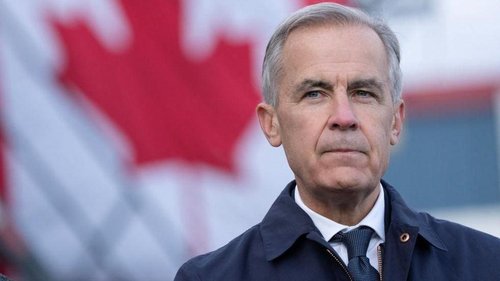
Inuit Territory, Quebec — July 5, 2025 — "Build, baby, build." This phrase has become a rallying cry for Prime Minister Mark Carney as he aims to fortify Canada’s economy and reduce dependence on the United States. His vision encompasses an array of infrastructure projects, including oil pipelines, nuclear plants, and transportation networks designed to position Canada as an “energy superpower.”However, Carney’s plans are meeting considerable resistance from Indigenous groups who assert that such developments often infringe upon their ancestral lands. As echoed by leaders such as Dave Petiquay of the Atikamekw First Nations in Wemotaci, there is a growing demand for Indigenous perspectives to be included at the forefront of these discussions. “It's up to governments to come and see us about decisions concerning our territory,” Petiquay emphasizes, highlighting a historic trend of exclusion in these processes.In previous eras, Indigenous voices were largely overlooked during nation-building initiatives. Now, the resurgence of calls for reconciliation has amplified demands for genuine partnership between the government and Indigenous peoples. Advocates are calling for mechanisms that ensure participation, if not outright veto power, regarding projects on their land. The intersection of environmental integrity with economic development is becoming increasingly crucial. Many Indigenous leaders argue that respecting land rights and engaging communities in decision-making leads to more sustainable and culturally relevant outcomes. With the global climate crisis in mind, they stress that any infrastructure projects must be designed with an awareness of their ecological impact, reflecting the traditional stewardship Indigenous communities have practiced for centuries.As debates around infrastructure continue, the call for inclusive policymaking that respects Indigenous rights will play a vital role in shaping Canada’s path to a sustainable future. Collaboration rather than confrontation may be key to achieving a balance between development aspirations and respect for Indigenous sovereignty.