In brief
On Monday, Albertans went to the polls to decide if the province should hold a binding referendum on breaking away from Canada. The motion follows a petition of 300,000 signatures and reflects tension around Ottawa’s climate policies that critics say choke Alberta’s oil sector. Many support separation, saying environmental regulations curb economic growth, while others, including the Prime Minister, urge unity amid external pressures. The result, which could trigger a 2027 referendum, was accompanied by disputes over Indigenous consultation and the province’s debt obligations. The day’s vote also included nine other measures, some touching on immigration control.
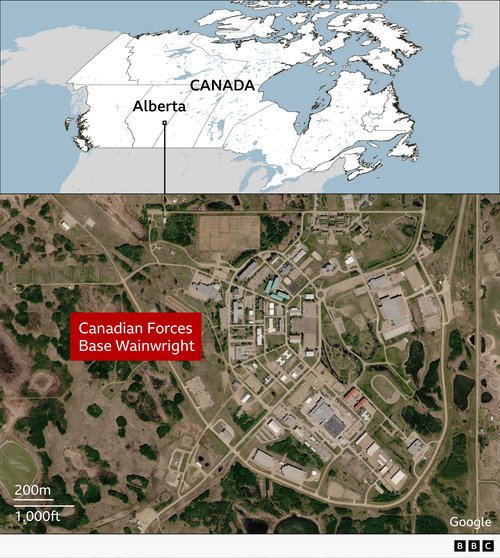
Alberta heads to the polls on Monday to decide whether to hold a referendum on separating from Canada.
The vote was called by Premier Danielle Smith after a grassroots movement gathered about 300,000 signatures asking for a binding mandate to consider independence. Critics of Ottawa’s climate agenda claim the province’s oil and gas boom has been stifled by federal environmental regulations, and they see secession as a way to keep more of the rich.
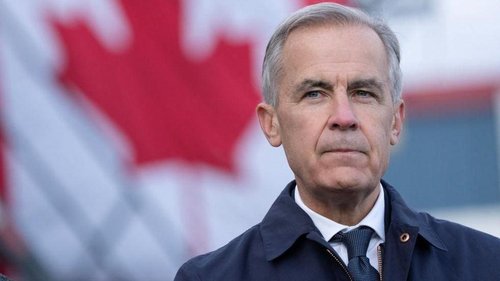
Those opposing break‑away, including Prime Minister Mark Carney, urge unity in an era of increased global uncertainty. They warn that an independent Alberta would inherit billions of dollars in debt and could lose jobs and investment, drawing comparisons to the United Kingdom’s 2016 Brexit vote.
The referendum question on the ballot reads: "Should Alberta remain a province of Canada or should the Government of Alberta commence the legal process required under the Canadian Constitution to hold a binding provincial referendum on whether or not Alberta should separate from Canada?"
Importantly, the debate has highlighted clashes over Indigenous consultation. A court had blocked the separation petition for failing to involve First Nations provinces would be impacted, leading some Indigenous groups to label the process as "undemocratic" and "authoritarian."
The election administration will count ballots by hand, with results expected to be announced in the early hours of Tuesday. The outcome of the separation question will come first, followed by nine other measures on issues ranging from immigration control to local policy initiatives.
This historic vote sits at the intersection of Canada’s political future and its climate agenda, raising questions about whether the balance of economic prosperity and environmental stewardship can coexist within a single national framework.