In brief
Riyadh celebrated World Cities Day with a new metro network, expanded green areas, and culture projects that aim to fuse modern infrastructure with historical sites. The city’s Vision 2030 strategy drives these initiatives to improve urban mobility, sustainability, and cultural vitality.
On World Cities Day, October 31 2026, Riyadh announced a sweeping set of urban renewal projects that seek to connect residential neighborhoods with business, cultural, and entertainment centers while preserving historic landmarks.
The announcement comes as part of Saudi Arabia’s Vision 2030 plan, a national strategy that aims to diversify the economy and improve quality of life. Riyadh’s government officials highlighted how the city’s new initiatives will foster economic growth, attract investment, and enhance the living experience for residents and visitors alike.
A central pillar of the renewal agenda is the expansion of the Riyadh Metro. The network will now stretch 176 kilometres and include 85 stations across six lines, a system that is expected to cut traffic congestion and lower carbon emissions by encouraging mass transit usage. The metro’s new routes will link key districts such as the King Abdullah Financial District with older quarters, creating a seamless flow of people and commerce.
The city is also running the Green Riyadh Program, a wide‑scale effort to increase plant life and open recreational spaces throughout the capital. A flagship component of the program is the creation of King Salman Park, a large green space that will combine natural landscapes, sports facilities, and cultural venues. This park aims to provide residents with a mix of leisure activities while offering a habitat for local flora and fauna.
In addition to permanent developments, periodic projects have sought to revisit Riyadh’s natural heritage. Wadi Hanifah, a valley that runs through the city, has been highlighted as a major natural landmark. Maintenance and restoration work along the wadi will preserve it as a green corridor and tourist attraction, ensuring that modernization does not erase natural features.
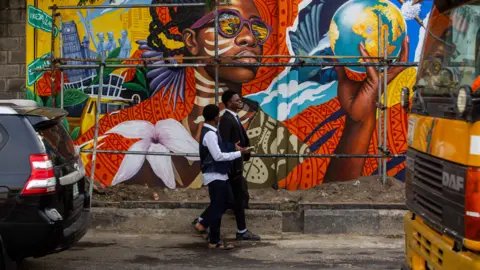
To complement the environmental upgrades, the Riyadh Art project has introduced public‑art installations to streets, squares, parks, and public facilities. These artworks, created by local and international artists, aim to enrich everyday life and celebrate the city’s cultural diversity.
Preservation of historic sites remains a priority. The Al‑Masmak Palace, a 19th‑century fort, and the traditional markets of Al‑Dirah are slated for conservation and adaptive reuse. Authorities plan to integrate these heritage locations into the new transportation and tourism network, ensuring they remain vibrant centers of cultural activity while welcoming modern visitors.
By tying together infrastructure, green spaces, heritage preservation, and artistic expression, Riyadh seeks to deliver a holistic vision of urban resilience. These initiatives illustrate the city’s broader commitment to environmental sustainability and social inclusion, hoping to set an example for other rapidly growing metropolises worldwide.