In brief
A young Spanish tourist lost her life while bathing an elephant in Thailand, raising significant concerns about the ethics of such activities in the tourism industry.
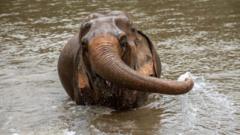
In a distressing incident last Friday, 22-year-old Blanca Ojanguren García was fatally injured by an elephant while participating in a bathing activity at the Koh Yao Elephant Care Centre, according to local authorities. Reports indicate that the elephant charged and gored her amid signs of panic, possibly linked to the pressures of interacting with tourists outside its natural habitat. García, a law and international relations student at Spain's University of Navarra, was on a student exchange program in Taiwan and visiting Thailand with her boyfriend, who witnessed the harrowing event. Spain's foreign minister, Jose Manuel Albares, has stated that the Spanish consulate in Bangkok is currently providing support to García's family amid this tragic situation. Elephants are a significant attraction in Thailand, noted for their entertainment value with numerous tourists flocking to various centers to partake in feeding, bathing, and walking experiences, which can cost from 1,900 to 2,900 baht (approximately $55-$80). However, this incident has rekindled the debate surrounding the ethical implications of such interactions. Animal rights advocates argue that activities like elephant bathing are not only distressing to the animals but often lead to injuries both for the elephants and tourists. Organizations like World Animal Protection report that over 60% of elephants involved in tourism in Asia face inadequate living conditions and suffer emotionally due to the disruption of their natural behaviors. The charity emphasizes the intelligence and complex social structures of elephants, highlighting the profound suffering they endure in captivity. As the conversation around ethical tourism continues to grow, this tragic event reflects the pressing need for improved standards and regulations in the treatment of wild animals in the tourism industry, sparking urgent calls for change from activists and scientists alike.