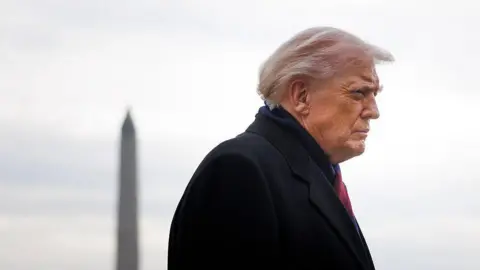
Amid the heightened conflict between Israel and Iran, Gulf states are grappling with an uncertain future. Once touted as champions of burgeoning Israeli-Arab relations, cities like Dubai are now on edge as missile exchanges escalate. The ongoing hostilities have raised alarm among Emirati officials, who fear Iranian retaliation, especially as President Trump contemplates supporting Israel in the conflict.
Residents of Dubai, once popular among Israeli influencers and investors, are now anxiously facing the repercussions of a war that threatens to impact their day-to-day lives. The Emirati government, which harbored deep-seated suspicions of Iranian intentions, is witnessing a profound shift in public sentiment. Mohammed Baharoon, head of a local research center, reflects the growing concern: “Now the madman with a gun is Israel, it’s not Iran,” he stated, emphasizing the changing narrative around the conflict.
In response to the escalating violence, the Emirates has opted for a more conciliatory approach towards Iran, waiving visa overstay fees for Iranian nationals stranded in the country. Furthermore, Sheikh Mohammed bin Zayed reached out to the Iranian president to express solidarity, a significant deviation from earlier stances that favored aligning with Israel against Iran.
As the war in Gaza continues, the fallout has prompted Gulf leaders to reevaluate their strategies in dealings with the Israeli state. Many officials are now publicly indicating that Israel poses a new threat, emerging as the main destabilizing force in the region, a stark contrast to the previous perception of Israel as a potential ally in countering Iran's influence.
This paradigm shift sheds light on the complexities of Middle Eastern geopolitics and the fragile nature of alliances in a region marked by centuries-old tensions and evolving political landscapes. As the conflict unfolds, the ramifications for diplomatic relations throughout the Gulf will be closely monitored.