In brief
In a rare return to the spotlight, Angela Merkel addresses her controversial decisions during her tenure, touching on the implications of her gas deals with Russia, her relationship with Vladimir Putin, and the current geopolitical climate in Europe.
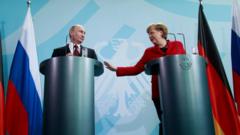
Angela Merkel emphasizes that her diplomatic efforts and policies were meant to maintain peace. However, the aftermath of her tenure raises questions about her legacy and the impact of her decisions on the ongoing crisis.Former German Chancellor Angela Merkel has recently spoken out in an interview with the BBC, defending her controversial relationships with Russia during her time in office. Despite the backlash her decisions have faced, particularly regarding NATO's membership policies for Ukraine, Merkel maintains that her negotiations were aimed at fostering stability. Speaking in Berlin, she asserted that her prevention of Ukraine's entry into NATO back in 2008 might have averted an earlier military conflict that could have inflicted deeper wounds on the country. "It was clear to me that Putin would not stand idly by and watch Ukraine join NATO," Merkel explained. Contrary to her assertions, Ukrainian President Volodymyr Zelensky criticized Merkel's past approach as a significant misjudgment, one that perhaps fortified Russia's aggressive posture. Merkel acknowledged the ongoing tensions and expressed grave concern about Putin's threat of nuclear force, urging the necessity of proactive international diplomatic efforts to prevent escalation.During her lengthy tenure, which included pivotal moments like the 2015 migrant crisis and financial turmoil, Merkel has found herself reassessing her legacy. The tension around her decisions regarding Russian energy dependence, specifically her notable gas pipelines, remains a focal point of scrutiny. She argues these were driven by both strategic economic interests and the desire for peaceful relations with Russia.However, her critics, including Polish MP Radoslaw Fogiel, argue that her policies essentially funneled financial resources into Putin’s regime, aiding in the current war effort against Ukraine. While Merkel believes she enacted measures to curb potential aggression diplomatically, the ongoing situation reveals a stark contrast to her optimistic outlook.As Europe grapples with the repercussions of Merkel's energy and immigration policies, her supporters acknowledge that her leadership style—often characterized by careful management—may not have adequately addressed the long-standing challenges faced by Germany and the European Union.Reflecting on the divisive migration crisis, Merkel suggested that addressing illegal migration should be a priority, advocating investments aimed at improving living conditions in African nations to alleviate pressure on European borders. As the 2024 elections loom, and with the rise of far-right sentiments partly attributed to her earlier decisions, Merkel continues to navigate the complexities of her legacy. One thing remains clear: the global landscape has shifted dramatically since she stepped down, and her reflections serve as a reminder of the intricate web of policies and decisions that define international relations today. While Merkel has distanced herself from political power, her insights are still sought after by current leaders grappling with a multitude of global challenges, illustrating the enduring influence of her earlier policies amidst a new era of political quandaries.