In brief
This article explores the diverse repercussions of global conflicts on environmental policies and climate action, shedding light on how civil unrest can disrupt sustainability initiatives.
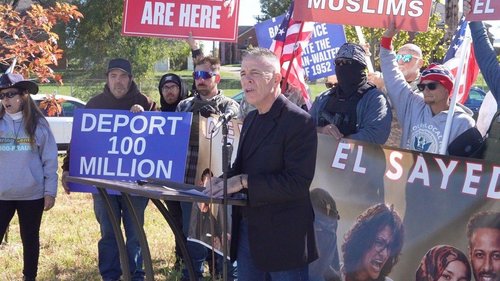
In a world where geopolitical tensions often take center stage, the impacts on climate and sustainability must not be overshadowed. As nations grapple with internal and external conflicts, the fallout often extends beyond human suffering to the very ecosystems that sustain life.Take, for instance, the ongoing unrest in Syria. While humanitarian crises dominate headlines, the environment suffers silently, with destruction leading to habitat loss and air pollution. Reconstruction efforts present a crucial opportunity to integrate green building practices that could mitigate future environmental degradation.The geopolitical fallout from recent U.S. interventions has also disrupted international climate agreements. With shifting alliances and increased tensions, countries may prioritize short-term security over long-term environmental sustainability, leaving the climate agenda vulnerable. The cuts to U.S. Aid, often viewed through an economic lens, also pose unintended consequences for developing nations striving for sustainable growth.In parallel, advancements in medical science—like the next generation of weight-loss drugs—highlight an interplay between health and environmental resources. Drug manufacturing processes can lead to increased industrial waste, bringing ecologically sustainable production methods into question.Moreover, cultural dynamics, such as the growing challenge to erase critical aspects of Black History, also relate to how communities address environmental justice issues. Acknowledgment of histories shapes activism and policy-making, emphasizing a need for a united front in combatting the climate crisis.As we analyze protests and movements across various regions, it’s clear that civic engagement serves as a pivotal force in reshaping environmental discourse. From Los Angeles to Washington, the cries for justice echo a broader demand for sustainable futures, intertwining social justice with ecological stewardship.In this complex landscape, understanding the interconnectedness of global conflicts, health innovations, and cultural movements will be crucial as we forge paths towards a resilient and sustainable future.