In brief
Record-breaking hurricanes and rapid intensification events have defined this season, signaling urgent climate concerns and emphasizing the need for preparedness and adaptive strategies.
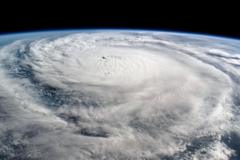
An unusual hurricane season has unfolded, marked by unprecedented patterns and ferocity, accentuated by the warming effects of climate change. Notably, Hurricanes Helene and Milton wreaked havoc in the southeastern United States, bookending an intense period of storm activity. This year, five hurricanes formed within two weeks—an occurrence typically spread across an entire season. Despite initial warnings and high sea temperatures conducive to storm formation, early September saw surprisingly few storms. However, the season kicked off ominously with Hurricane Beryl, the earliest recorded Category 5 hurricane. Scientists had anticipated a vigorous 2024 season, spurred by exceptionally warm Atlantic waters and shifting regional weather patterns.With seven weeks left in the official season, the Atlantic has already seen nine hurricanes. Although this surpasses the yearly average, the total number of tropical storms remains typical. Researchers point to a complex interplay of climatic factors, such as a shift to the West African monsoon and Saharan dust, which initially impeded storm development. As conditions shifted in late September, a rapid succession of storms arose, with five escalating into hurricanes through rapid intensification. Such quick escalation, driven by unusually warm ocean waters, underscores the increasing threat posed by these severe storms.Rapid intensification presents a grave risk, reducing preparation time and increasing potential devastation. For instance, Hurricane Milton intensified by over 90 mph in just 24 hours—the fastest rate recorded. World Weather Attribution scientists have linked the severity of these storms to climate change, noting that rapidly warming seas are making hurricanes more powerful and unpredictable.The remainder of the season sees forecasters closely monitoring potential storm developments, as warm sea surface temperatures—and the impending La Niña phenomenon—remain conducive for further activity. This season serves as a stark reminder of the amplifying effects of climate change on hurricanes, highlighting the urgent need for mitigation and adaptation strategies. As Kevin Trenberth of the National Center for Atmospheric Research notes, while hurricanes are natural phenomena, climate change is exacerbating their intensity, posing heightened risks to affected regions. This unprecedented season underscores the immediacy of climate threats and the critical need for preparedness and resilience in the face of evolving climatic conditions.