In brief
Fugard's works challenged apartheid's injustices, inspiring generations of playwrights and citizens alike.
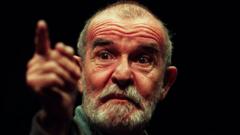
Athol Fugard, celebrated as a monumental figure in South African theatre, passed away at the age of 92, leaving behind a legacy woven deeply into the fabric of the nation's struggle against apartheid. Born to an Afrikaner mother, Fugard's works grappled with the harsh realities of racial segregation, earning him accolades as one of the country's greatest playwrights. South Africa's Arts and Culture Minister, Gayton McKenzie, lauded him as "a fearless storyteller," highlighting his ability to spotlight apartheid's brutalities through theatre.Fugard's career spanned over seven decades during which he penned more than 30 plays. His breakthrough work, "The Blood Knot," debuted in 1961, marking a historic moment with its multiracial cast amidst an oppressive regime. The apartheid authorities later confiscated his passport, an act that only fueled his determination to confront injustice through his art. He collaborated with the Serpent Players, an ensemble of black actors, performing in townships despite facing significant harassment.Known for pivotal plays like "Boesman and Lena," which explored the struggles of a mixed-race couple, and "Sizwe Banzi Is Dead," Fugard's voice resonated both nationally and internationally. His novel "Tsotsi" adapted into an Oscar-winning film, further showcased his storytelling prowess. Western Cape Premier Alan Winde remarked on Fugard's unmatched insight into the political and cultural landscape of South Africa.Fugard's profound impact on the theatre was recognized with numerous awards, including a prestigious lifetime achievement honor at the Tony awards in 2011. Time magazine hailed him as the greatest active playwright in the English-speaking world in 1985. Reflecting on the apartheid era, Fugard stated, "Apartheid defined me... I am proud of the work that came out of it."Despite the end of apartheid in 1994, Fugard continued to engage with the evolving societal landscape, advocating for the new generation of writers to fulfill their societal responsibilities. In a poignant 2010 BBC interview, he echoed the sentiments of the late Archbishop Desmond Tutu, suggesting that vigilance is necessary in contemporary South Africa.Fugard's passing leaves a void in both theatre and activism; however, his profound contributions will endure, inspiring countless others to challenge injustice through the power of storytelling.