In brief
Three weeks after being charged with sexual offences, South Africa’s deputy police chief, Lt. Gen. Shadrack Sibiya, submitted his resignation at a disciplinary hearing. The 59‑year‑old denies the allegations, which include grooming a minor, raping an adult, and human trafficking, and claims the 18‑year‑old relationship was consensual. Sibiya’s case is part of a wider police corruption inquiry, the Madlanga Commission, that unveiled links between senior officers and criminal networks. His resignation is seen as a dishonourable discharge by police officials, jeopardising enforcement of public safety and regulatory frameworks, including those protecting the environment. The incident highlights how entrenched corruption can erode public trust and hinder effective governance, a challenge that extends to the country’s environmental stewardship and climate resilience efforts.
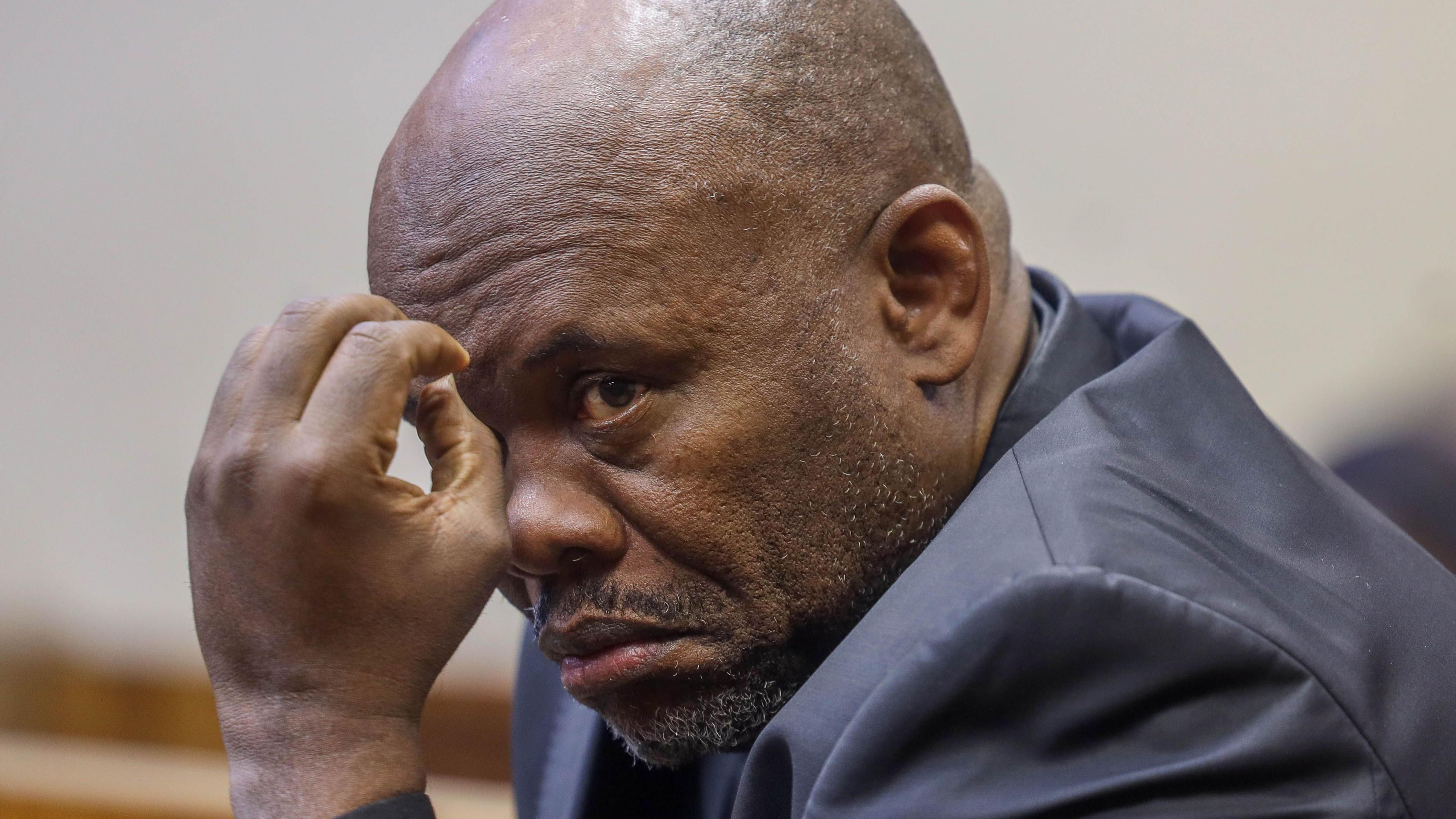
Lt. Gen. Shadrack Sibiya, South Africa’s deputy police chief, resigned last week after facing charges for sexual offences, including grooming a 16‑year‑old and allegedly raping an 18‑year‑old woman. He denies the claims, insisting any encounter with the adult was consensual and refuting allegations of human trafficking.
Sibiya, 59, has been in custody since his June arrest and submitted his resignation during a disciplinary hearing on Monday. Police spokesperson Athlenda Mathe described the move as a dishonourable discharge, noting Sibiya departed while a disciplinary case remained open.
The case stems from the broader Madlanga Commission, a national inquiry that has spotlighted links between senior police officers and criminal syndicates. It revealed accusations that Sibiya interfered with investigations into political killings in KwaZulu‑Natal and accepted cash and other gifts from alleged crime bosses to secure police contracts.
Corruption at this level poses a serious risk to South Africa’s governance, including enforcement of laws that protect the environment and promote sustainable development. With a robust police service integral to upholding regulations, any erosion of integrity can delay or derail initiatives aimed at mitigating climate impact and securing natural resources.
While the investigation into Sibiya continues, the resignation underscores a broader need for systemic reform. Strengthening oversight, safeguarding public institutions, and embedding ethical standards are essential steps toward ensuring South Africa can pursue environmental resilience and climate‑friendly policies with public confidence.