In brief
On 1 August 2026 a small tourist plane, a Cessna Caravan C‑208, crashed over Peru’s UNESCO World Heritage site, the Nazca Lines. All 13 passengers and crew lost their lives, including eight Italians, two Spaniards and two Germans. The incident follows repeated aviation accidents above the fragile desert landscape, raising concerns about the safety of tourist flights that aim to showcase the ancient geoglyphs. This tragedy underscores the need for stricter safety protocols and sustainable tourism practices that protect both visitors and the environment.
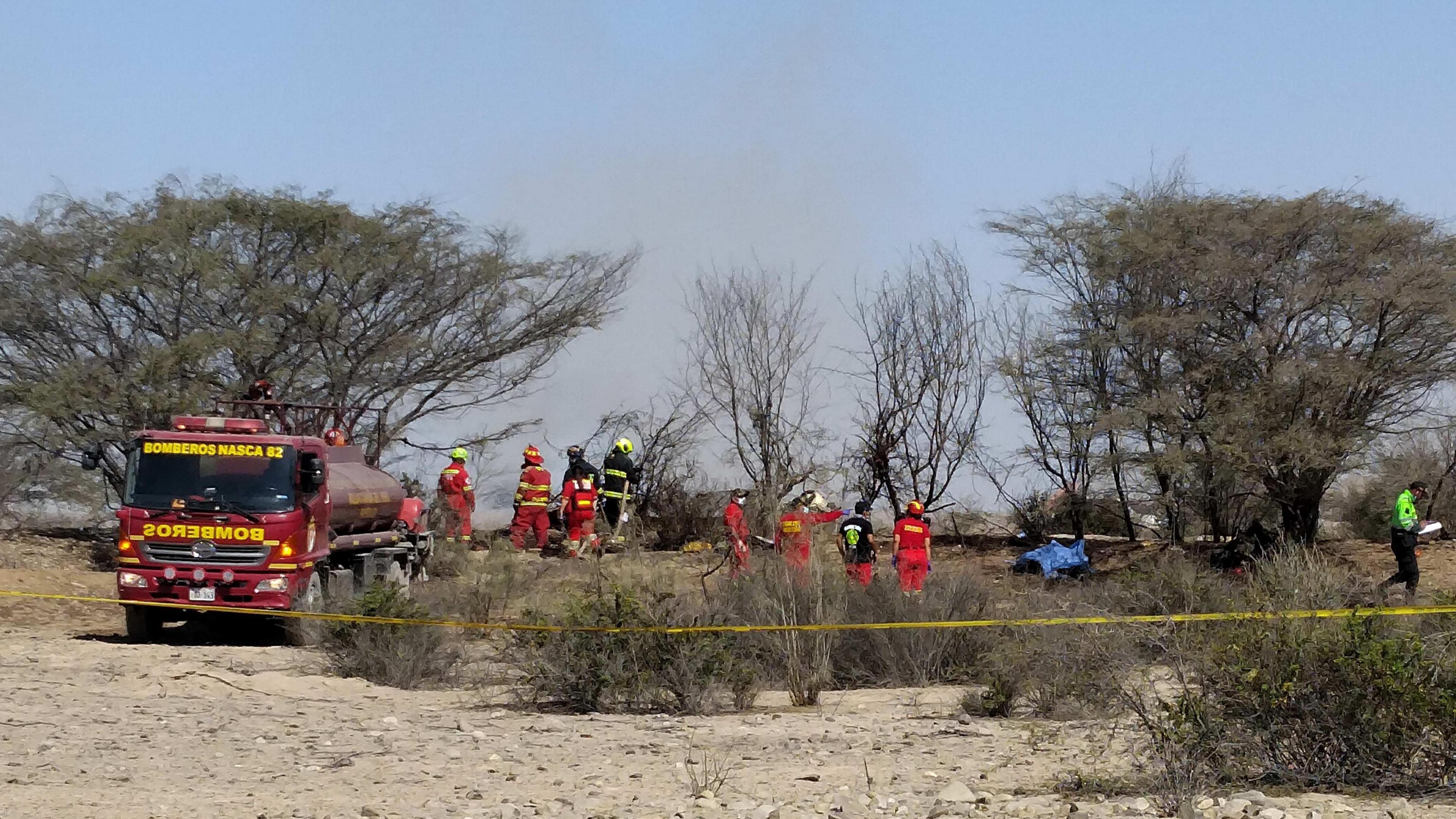
On 1 August 2026 a Cessna Caravan C‑208 was forced to crash over Peru’s UNESCO World Heritage site, the Nazca Lines. The small tourist aircraft, departing from Pisco, flew over the massive geoglyphs when it abruptly descended in the Pueblo Viejo region of Nasca, killing all 13 aboard, a Peruvian port official announced.
The passengers comprised eight Italians, two Spaniards and two Germans, and the aircraft’s crews included two pilots. Local officials said the crash site is being inspected by investigators, but the exact cause remains unclear.
The Nazca Lines have long been a destination for adventure tourists, with many travelers opting for small planes to see the vast figures from above. However, the site has witnessed several aviation mishaps over the decades — a 2010 crash killed six people, and a 2022 incident claimed seven fatalities. Each event raises new questions about the safety of high‑risk flights over a fragile desert environment.
While investigators seek the technical cause of the flight failure, experts are calling for a reassessment of tourism protocols around the site. The small aircraft that routinely take visitors over the lines are vulnerable to the unpredictable weather of the Atacama desert, and the community stresses the importance of stringent safety measures that protect both people and the priceless geoglyphs.
The collapse also highlights the broader tension between tourism and the conservation of cultural heritage in vulnerable ecosystems. Sustainable practices aim to both protect the environment and ensure that future visitors can safely appreciate the ancient monuments that have captivated scholars and travellers for centuries.