In brief
After being convicted of accepting bribes from drug cartels, Genaro García Luna is sentenced to over 38 years in prison, illustrating the corruption that plagued Mexico’s fight against organized crime.
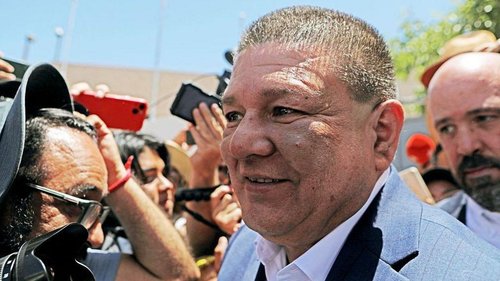
In a stark reminder of the pervasive corruption that has plagued Mexico’s battle against organized crime, former Security Chief Genaro García Luna has been sentenced to 38 years in a U.S. federal prison. The sentence, handed down during a Brooklyn court hearing, follows his conviction last year for colluding with drug cartels.Once hailed as the architect of Mexico’s aggressive stance against drug trafficking, García Luna’s career came crashing down after evidence revealed that he accepted bribes from the very organizations he was tasked with dismantling. The 56-year-old was sentenced to an unprecedented 460 months behind bars, a term that could see him spend the rest of his life in confinement.During the court proceedings, Judge Brian M. Cogan lambasted García Luna, highlighting his duplicitous nature and branding his previous role as a facade for his criminal activities. The judge drew parallels between Garcia Luna and notorious drug lord Joaquín "El Chapo" Guzmán, stating that while their styles differed, their morally bankrupt actions were strikingly similar.Despite the overwhelming evidence against him, García Luna proclaimed his innocence, asserting that he did not commit the crimes of which he was accused. However, the judge's remarks underscored the severe impact of his actions on countless lives in Mexico, raising critical questions on the systemic corruption within law enforcement agencies.As this chapter closes, the case serves as a cautionary tale about the vulnerabilities within the systems designed to protect citizens, emphasizing the urgent need for reform and accountability in the struggle against organized crime in Mexico.