In brief
The shocking comments by Indian YouTuber Ranveer Allahbadia, which sparked outrage across the nation, have ignited debates on free speech and online content regulation in India, highlighting significant concerns over morality and the role of state intervention.
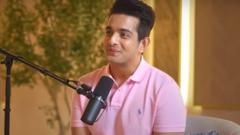
In a recent scandal that has captured national attention, Indian YouTuber Ranveer Allahbadia, popularly known as BeerBiceps, is at the center of controversy following inappropriate remarks made during a live show. The Supreme Court of India used severe language to describe his comments, labeling them as “dirty” and “disgusting,” while granting him interim protection from arrest.The uproar began after Allahbadia posed a shocking question on the show "India’s Got Latent": “Would you rather watch your parents have sex every day for the rest of your life or join in once and stop it forever?” This incident, which occurred on February 9, triggered widespread outrage, leading to multiple police complaints and even death threats against him. YouTube subsequently removed the controversial episode, but the backlash has continued unabated, resulting in extensive media coverage.Aliabadia, who boasts a massive following of eight million on his YouTube channel, has previously interviewed high-profile figures including politicians and Bollywood stars. His influence had even seen him receiving accolades from India's Prime Minister, Narendra Modi. In response to the controversy, both Allahbadia and the show’s creator, Samay Raina, issued apologies and Raina removed all past episodes.The incident has sparked a complex debate concerning free speech in India, with critics arguing that the state is trying to set an example out of Allahbadia. Commentators like Saket Gokhale and comedian Vir Das have condemned the excessive targeting of content creators for their expressions, asserting that while inappropriate content can certainly be criticized, legal persecution over mere moral affronts is unjust.Exploration of past content from Raina's show reveals a history rife with crude remarks and controversial conduct. Despite criticisms pointing towards underlying misogyny and body-shaming, the show garnered popularity for its unfiltered humor and audacious challenges. However, this appeal has backfired, as it increasingly raises questions about the responsibilities of creators and their reactions to the outrage they provoke.The incident reflects a broader pattern within India's entertainment sector, where creators often resort to shocking or risqué material to capture audience attention. Filmmaker Paromita Vohra emphasizes the importance of understanding audience boundaries, suggesting that many creators fail to grasp the potential risks attached to their provocative content.Interestingly, a similar question posed in an Australian comedy show elicited no such outrage, highlighting the differing cultural perceptions surrounding free expression. Vohra warns against framing such controversies as moral issues, suggesting they are often manipulated by authorities to distract from more pressing societal concerns, such as unemployment and environmental degradation.Moving forward, there are discussions within parliamentary committees regarding stricter regulations of digital content in India. Advocacy for reforms to ensure creators have protections, rather than stiffer laws suppressing free speech, is gaining momentum. In this evolving landscape, the call for enhanced digital education remains paramount to ensure audiences understand the potential implications of online content.