In brief
Germany’s central bank, the Bundesbank, recently declared an unprecedented annual loss of €19.2 billion, a worrying trend that may signal economic difficulties ahead. This marks the first time in over 40 years that the central bank has reported a negative financial outcome, according to Joachim Nagel, its president, who acknowledged the likelihood of a third consecutive year without economic growth.
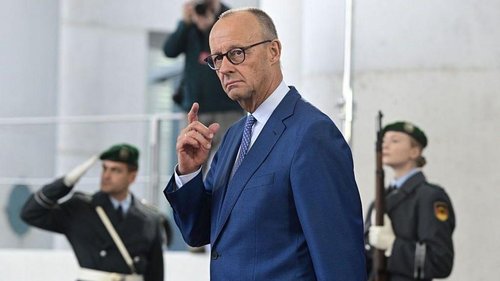
The announcement comes as the country prepares for a political transition, with Friedrich Merz of the conservative Christian Democrats gaining approval to form a new government in coalition with the center-left Social Democrats. The incoming administration is faced with a daunting budget deficit of €13 billion ($13.6 billion) and systemic economic issues, including elevated energy prices, cumbersome bureaucratic processes, and a struggling export sector amidst rising competition from China and potential U.S. tariffs.Nagel's remarks emphasize the complexity of the challenges ahead for the new government, which will find borrowing constrained by strict debt regulations and cannot expect assistance from the Bundesbank, now unable to transfer profits to the state due to recent losses. With central banks worldwide dealing with fiscal strain due to rising interest rates, the Bundesbank also halted profit transfers in 2020 to build reserves.Deputy governor Sabine Mauderer indicated that continued losses would prevent profit distribution for a considerable time. However, despite the grim economic outlook, Nagel highlighted Germany's stable institutional framework, adaptive corporations, and a proficient workforce as assets that could aid recovery.The current political landscape has been marred by instability, which Nagel described as a “lack of political reliability,” further unsettling consumers and investors. The central bank chief urged the necessity of a competent and proactive government to restore economic confidence and stability. This critical moment for Germany's economy and governance will require strategic policy-making and effective leadership to navigate through this period of uncertainty.