In brief
Medical evacuations from Gaza to Jordan have surged, but the struggle for cancer patients continues as they confront feelings of homesickness and concern for loved ones back home. The combined fight against cancer and the memories of conflict create a daunting reality for those seeking refuge and treatment.
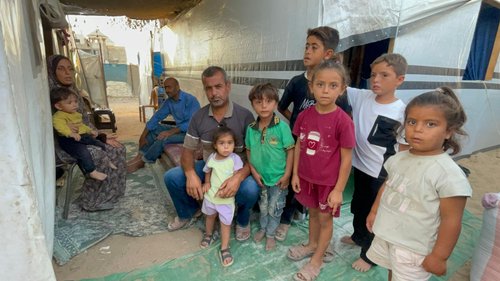
In the aftermath of conflict and chaos, the journey to health takes on a new dimension for many Gazans. Fleeing their war-torn homes, survivors now find themselves facing a different adversary: cancer. With the hope of treatment, they travel to Jordan, only to grapple with the emotional scars left by the violence they left behind.Mohammed Ashour, a 13-year-old leukemia patient, is a vivid example of this plight. Although he has reached a cancer treatment center in Amman, the effects of the war linger. Memories of the cramped two-bedroom apartment where he and 70 relatives sought refuge haunt him, as does the worry about the family he left behind—specifically, what they would eat with the pantry now empty of flour.Israeli officials have reported that over 4,000 patients have secured medical care outside Gaza since the outbreak of hostilities, yet the World Health Organization estimates that more than 10,000 individuals remain in urgent need of treatment. The stark disparity weighs heavily on the minds of those fortunate enough to escape. In addition to their illness, many patients, like Mohammed, are burdened by intense feelings of guilt, fear, and longing for the lives they once knew. The stark contrast between their current surroundings and the memories of their past life in Gaza creates a complex emotional landscape that hides behind their fight for health.As they strive to regain their strength, these patients embody the resilience of the human spirit, proving that even amidst their battles with cancer, the hopes and fears tied to their homeland resonate profoundly in their journeys toward recovery.