In brief
As an unexplained illness continues to devastate communities in Congo's Équateur Province, a stark divide emerges between the World Health Organization's theory of mass poisoning and local experts' concerns over malaria, highlighting the complexities of diagnosing and managing epidemics in vulnerable regions.
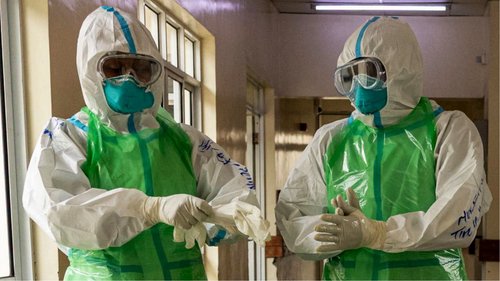
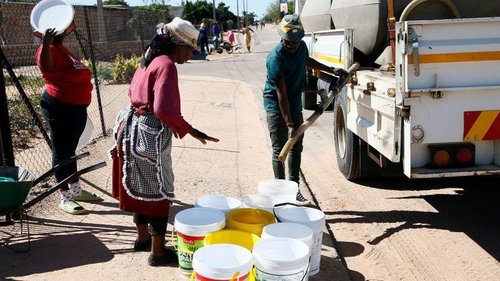
In the Democratic Republic of Congo's Équateur Province, a baffling health crisis has emerged, resulting in the deaths of at least 60 individuals and leaving over 1,000 more ill. The World Health Organization (WHO) has posited that the outbreak may be attributed to toxic poisoning, a claim that contrasts with suggestions from African health experts who suspect malaria as the possible culprit.Symptoms associated with this outbreak include fever, chills, headaches, and severe bodily aches, compounded by respiratory distress and gastrointestinal issues, according to reports released by the WHO. Dr. Michael Ryan, the WHO's Emergency Director, expressed strong indications that this incident appears to be linked to a toxic exposure rather than an infectious disease epidemic. His remarks, presented at a recent press conference in London, emphasized the urgency of an ongoing investigation, particularly focusing on contaminated water sources.The outbreak reportedly began in Boloko village, where it then propagated to surrounding areas, leading to secondary outbreaks in nearby regions. Investigations have established a worrying connection to the consumption of bats among local children in January, prior to the onset of the illness. Those affected exhibited alarming symptoms including nosebleeds and vomiting blood, triggering immediate health alerts.Local health authorities continue to explore the implications of this outbreak, as the stark contrast in diagnostic opinions underlines the challenges faced in addressing public health crises in regions with limited medical resources and expertise. The situation remains fluid, as both international and local experts work to uncover the true cause of this alarming health crisis, with the health and safety of vulnerable communities hanging in the balance.