In brief
In central Gaza’s Deir al‑Balah, five Palestinians were killed when a sand cliff gave way onto a tent camp after a low‑pressure weather system produced heavy rainfall and flooded tens of thousands of tents. Rescue workers continue to search for survivors and treat injured individuals.
At least five Palestinians, including three children and a woman, were killed when a sand cliff collapsed onto a tent shelter in Deir al‑Balah, central Gaza, on Sunday evening, according to Gaza’s Civil Defense.
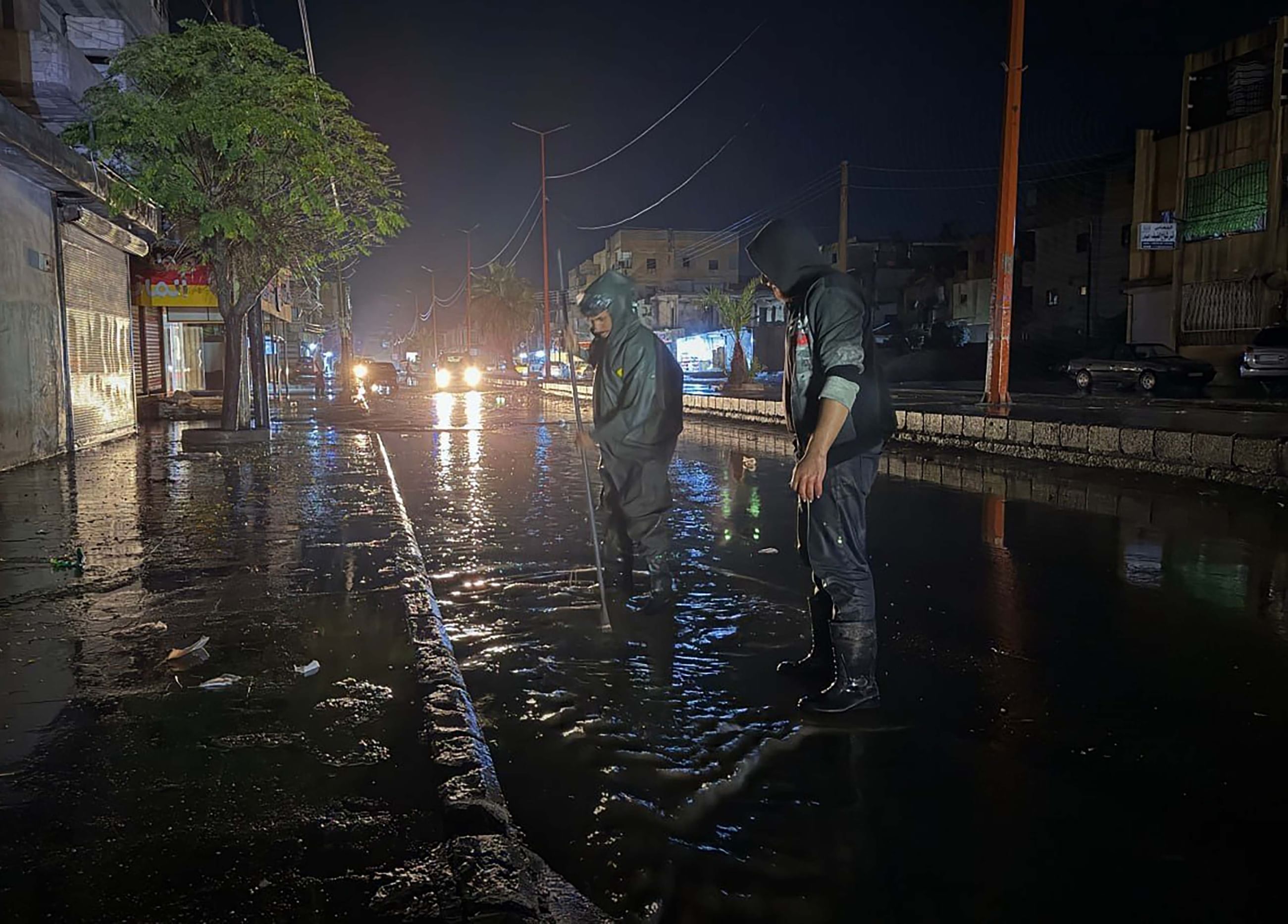
Mahmoud Basal, the spokesperson for the Gaza Civil Defense, said the collapse was triggered by heavy rain from a low‑pressure weather system that hit the region the day before. The system had already flooded around 70,000 tents that were sheltering displaced families, putting the fragile infrastructure at risk.
Environmental Context
The incident highlights how extreme weather exacerbated by climate change can strike vulnerable communities living in temporary shelters. Gaza, a low-lying strip with limited water‑management infrastructure, is increasingly exposed to erratic rainfall that can erode sandy embankments and bring structural failures. The low‑pressure system that produced the heavy rain brought more moisture than the area’s dry-land soils can absorb, causing a sudden rise in surface water and saturating the sand dunes that were used to uphold the tent‑nestled community. When the saturated sand lost its cohesion, the existing sand cliff collapsed under the weight of the tents, trapping occupants inside.
Such events underscore the vulnerability of temporary housing in arid and semi‑arid regions where sand is used both as a building material and as a natural barrier against sea‑level rise and coastal winds. When hydrologic conditions change abruptly, the integrity of sand‑based structures can be compromised. Climate models predict that the frequency and intensity of heavy rainfall events will rise in the Eastern Mediterranean, increasing the risk of similar collapses in other Gaza settlements and other Palestinian refugee camps.
Rescue teams have been deployed to the site and are continuing to search for missing people. Basal noted that several others have sustained injuries, some seriously, and that medical teams are on standby to care for those affected. The collapse occurred within hours of the first flooding scare, indicating the rapid deterioration of living conditions for displaced families already under extreme strain.
Local reports say that the tents were densely packed, a layout that magnifies the danger of a structural failure. The tents themselves were often re‑used shelters, lacking formal engineering assessments. The sudden collapse, in a crowded environment, resulted in a high casualty number that included children who had been evacuated from their homes earlier that week.
In the aftermath, civil authorities are urging tightened oversight of informal shelters. Basal called for an immediate review of site stability, especially in areas prone to flooding. He pointed out that improving water drainage and reinforcing sand cliffs could mitigate future risks. The situation has also reignited calls for more robust disaster‑preparedness plans that take climate projections into account.
In addition to the human tragedy, environmental experts in the region note that the recurrent floods are a symptom of a larger environmental crisis. Over 70,000 tents were saturated and flooded, demonstrating the ongoing struggle of Gaza’s displaced population to find safe, dry rest.
The disaster’s environmental impact extends beyond human casualty. The flooding also damaged weeks of inclement weather and a destroyed supply chain for provisional shelters. The erosion of the sand cliff likely contributed to the destabilization of surrounding dunes, affecting local ecosystems that depend on these dunes for protection against sea encroachment.
In the immediate future, the Gaza Civil Defense plans to conduct a damage assessment of nearby shelters and identify the most at‑risk sites for reinforcing. They also aim to secure clean water supplies for the affected families to prevent disease outbreaks, a risk that increases with flooding and collapsed shelters.
International agencies are monitoring the situation and offering resources to deal with the flooding aftermath and the possible long-term relocation of displaced families. The event underscores the need for sustainable environmental solutions, such as engineered sand stabilization, rainfall‑water harvesting, and better-structured temporary housing, especially in low-lying conflict‑affected areas.
In sum, a sand cliff collapse in central Gaza, triggered by a heavy rainstorm, killed five people and injured many more. The incident highlights the urgent environmental and humanitarian challenges posed by the increasing frequency of extreme weather events in the region, calling for a comprehensive reassessment of shelter integrity, drainage systems, and disaster resilience under climate change pressures.