In brief
The Biden administration's introduction of a 25% tariff on steel and aluminum imports threatens to increase production costs for various American industries, including automotive and renewable energy, while also provoking retaliatory measures from trade partners.
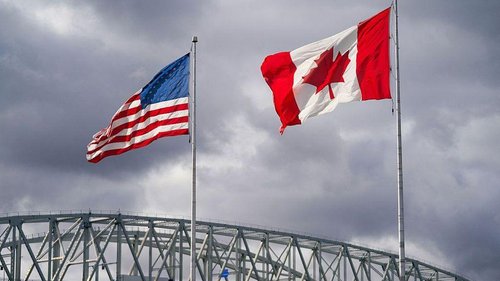
In a move that has significant implications for both the American economy and international trade relations, the Biden administration has enacted a 25% tariff on imported steel and aluminum. This policy, effective immediately, is intended to bolster domestic production but could raise manufacturing costs for a wide range of industries, notably automotive, renewable energy, and technology sectors. This decision marks a continuation of the past administration's trade policy as economic tensions with global competitors escalate. Immediate reactions from industry stakeholders have been mixed, with some domestic steel and aluminum producers expressing support. However, many manufacturers fear that the additional costs will ultimately hinder their international competitiveness and slow down economic recovery efforts.Internationally, the tariffs have already drawn ire from various allies, especially Canada and Mexico, two of the largest suppliers of these metals to the United States. Both countries have indicated they may retaliate with their own tariffs, further intensifying existing trade disputes. Analysts predict that as these countries respond, U.S. exporters could face severe repercussions, with the automotive and solar industries being particularly vulnerable due to their reliance on imported metals.The administration justifies the tariffs as a necessary measure to protect national security and ensure a stable supply of metals for manufacturing. Yet, experts warn that these tariffs could reignite trade wars reminiscent of past years and adversely impact various economic sectors already recovering from the COVID-19 pandemic effects.As debates continue over the long-term viability of such a protectionist approach, businesses and consumers alike brace for potential price increases, making it a crucial point of discussion in both political and economic spheres in the months ahead.