In brief
This article examines the nuanced relationship between China and Russia, highlighting President Xi’s efforts to maintain a partnership without alienating other international relationships, particularly amidst the ongoing Ukraine crisis.
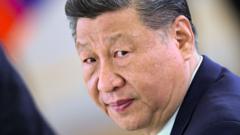
Chinese President Xi Jinping's visit to Moscow during the Victory Day parade reflects a complex diplomatic landscape as he seeks to balance China's ties to Russia and maintain a global presence. Sat next to Russian President Vladimir Putin, Xi portrayed an image of solidarity, calling the China-Russia bond "unbreakable" and asserting that they should be "friends of steel." This marks Xi's 11th visit to Russia since he took office in 2013, showcasing the leaders' familiarity, with over 40 meetings to date. However, analysts caution against oversimplifying this camaraderie.According to Mathieu Boulegue from the Center for European Policy Analysis, the dynamic between Xi and Putin is intricate; while they may present a united front, underlying competition exists within their relationship. The superficial displays of alliance, such as friendly hugs or public statements, reflect a deeper complexity that includes tensions and differing ambitions.Xi is aware of the fine line he must walk. As Russia faces international isolation due to its actions in Ukraine, establishing a strong friendship with Putin risks alienating potential partners, particularly in Europe, where China has been actively seeking stronger ties. Xi's government aims to project stability in an age of uncertainty, especially since the 2016 election of Donald Trump, which upended U.S. foreign policy and created divisions globally. This week, Xi engaged with key European leaders, marking 50 years of bilateral relations, signaling an effort to position China as a reliable world partner.Yet, Beijing’s tacit support for Russia complicates its relationship with Europe. China refrains from condemning Russia outright over the Ukraine invasion, instead advocating for dialogue, which poses potential diplomatic friction if perceived as too cozy with Putin. Xi's strategy includes sending a clear message to Washington; he aims to counter any attempts from the U.S. to create divisions between China and Russia, emphasizing the fortitude of their partnership in articles shared with Russian media.Both Xi and Putin are eager to challenge existing global power structures, often identifying the U.S. as the source of instability. However, economic realities dictate much of this alliance's trajectory; Western sanctions have left Russia reliant on Chinese support, altering the dynamics of their interaction. "Russia needs China much more than the opposite is true," Boulegue notes, indicating a shift in power balance that favors Beijing.While on the surface, the relationship appears robust, deeper fissures could emerge, revealing challenges as both nations navigate their future on the world stage. As Xi enjoys the spectacle of military parades beside Putin, the underlying tensions and competing interests remain an ever-present challenge in what is a carefully curated alliance.