In brief
This year's Holi festivities showcase dazzling displays of color and communal joy, attracting families and friends to celebrate the end of winter.
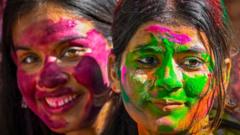
In India, the exuberant festival of Holi has once again filled the air with vibrant colors and jubilant celebrations as people nationwide come together to honor this ancient spring festival. Held to symbolize the triumph of good over evil, Holi traditionally marks the arrival of spring, inviting warmth and new life after the cold winter months.Communities across the country engage in lively festivities, igniting bonfires that signify this victory, while friends and family douse each other in a shower of colorful powders and water. This playful merriment is complemented by an array of traditional sweets that echo the festive spirit. The festival has deep cultural significance, drawing millions back to their hometowns to celebrate with loved ones. Mathura and Vrindavan, believed to be the birthplace of Hindu deities Radha and Krishna, particularly come alive with enthusiastic celebrations, drawing pilgrims and revelers alike to partake in its stirring traditions. Holi's roots run deep, stemming from historical texts that celebrate good harvests and hope for fertile lands. Politicians, including West Bengal's chief minister Mamata Banerjee, join in the vibrant spectacle, further emphasizing the occasion's importance across various societal levels.In Vrindavan, for example, widows participate in the festivities, dancing and applying colors on one another, a significant marker of social inclusion and empowerment within Indian culture. The festival transcends generational boundaries, with children delighting in the jubilant chaos, making it a lasting favorite among all ages.As joyous processions and colorful gatherings occur around the nation, Holi stands as a testament to India's rich culture and its enduring spirit of hope, unity, and celebration. Follow Echosphere News for ongoing coverage of global cultural celebrations and their connection to sustainability initiatives.