In brief
In a groundbreaking move, India is rolling out cash transfers to millions of women across various states, recognizing their unpaid care work and providing them with a crucial financial lifeline. These transfers aim to empower women, offering them undeniable economic independence and influencing political landscapes. However, challenges remain, as many still seek paid work and the recognition of their contributions.
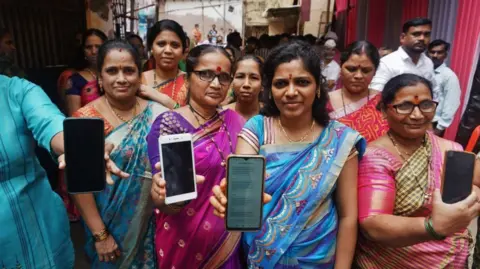
In the heart of central India, women are experiencing a transformative shift in their economic landscape through government initiatives that provide them with unconditional cash transfers. This monthly support, although modest at 1,500 rupees (approximately $16), is becoming a game-changer for many, granting them financial autonomy and control over household spending.
As of now, over 118 million women across 12 states in India benefit from these programs, positioning India as a leader in this area, despite the challenges related to social acceptance and operational logistics. Critics and advocates alike note that while this initiative addresses some immediate financial needs, it also highlights the ongoing issue of unpaid work that women contribute daily to their households.
The cash transfer schemes range from 1,000 to 2,500 rupees per month, accounting for a significant share of household income. This direct financial support allows women to make decisions regarding groceries, children’s education, and even small medical emergencies—highlighting their essential role within the family structure.
Despite concerns about potential political exploitation of these programs, the undeniable shift in women’s empowerment is a noteworthy aspect of this social policy. For example, in the recent elections in Bihar, a cash infusion to women voters led to significant electoral participation and may have swayed the election outcome.
However, many women express a desire for actual employment rather than temporary financial support. Emerging research suggests that while these cash transfers provide essential financial relief, they should be part of a broader strategy to recognize the value of unpaid labor and enhance women's overall economic opportunities.
Looking ahead, the challenge remains to build a system around these cash transfers that not only provides immediate financial relief but also paves the way for long-term empowerment, focusing on creating employment opportunities that respect women’s contributions and aspirations.