In brief
Recent comments from President Trump concerning autism and its supposed link to Tylenol use during pregnancy have sparked a varied response from the autism community. Some parents feel blamed and concerned, while others find solace in the increased attention and potential for more research funding. Experts emphasize the need for accurate information about autism's origins, advocating against stigmatization and misrepresentation.
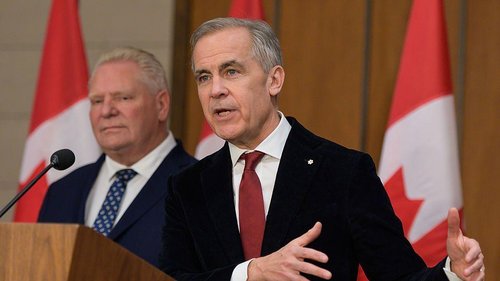
Controversy has emerged following President Trump's remarks suggesting a possible link between Tylenol use during pregnancy and autism. Many parents of autistic children feel that these comments unfairly blame them, while some in the autism community view the increased visibility of autism at governmental levels as a step towards positive change.
Trump's assertions have stirred mixed emotions across the country. A mother from Indiana expressed her frustration, accusing the President of shifting blame onto mothers for their children's conditions. Meanwhile, others noted a sense of hope, seeing governmental acknowledgment of autism as a chance for more research funding.
As Trump reiterated risks associated with acetaminophen, experts reminded the public that existing research has not conclusively proven a cause-and-effect relationship between Tylenol and autism. Furthermore, the longstanding myth linking vaccines to autism has been soundly debunked by the scientific community.
Concerns Over Stigma
Many parents feel the narrative surrounding autism is harmful and reminiscent of outdated theories blaming mothers’ behaviors. Dr. Noa Sterling, an OB-GYN, highlighted the fear among parents that choices made during pregnancy could irreparably damage their child's future.
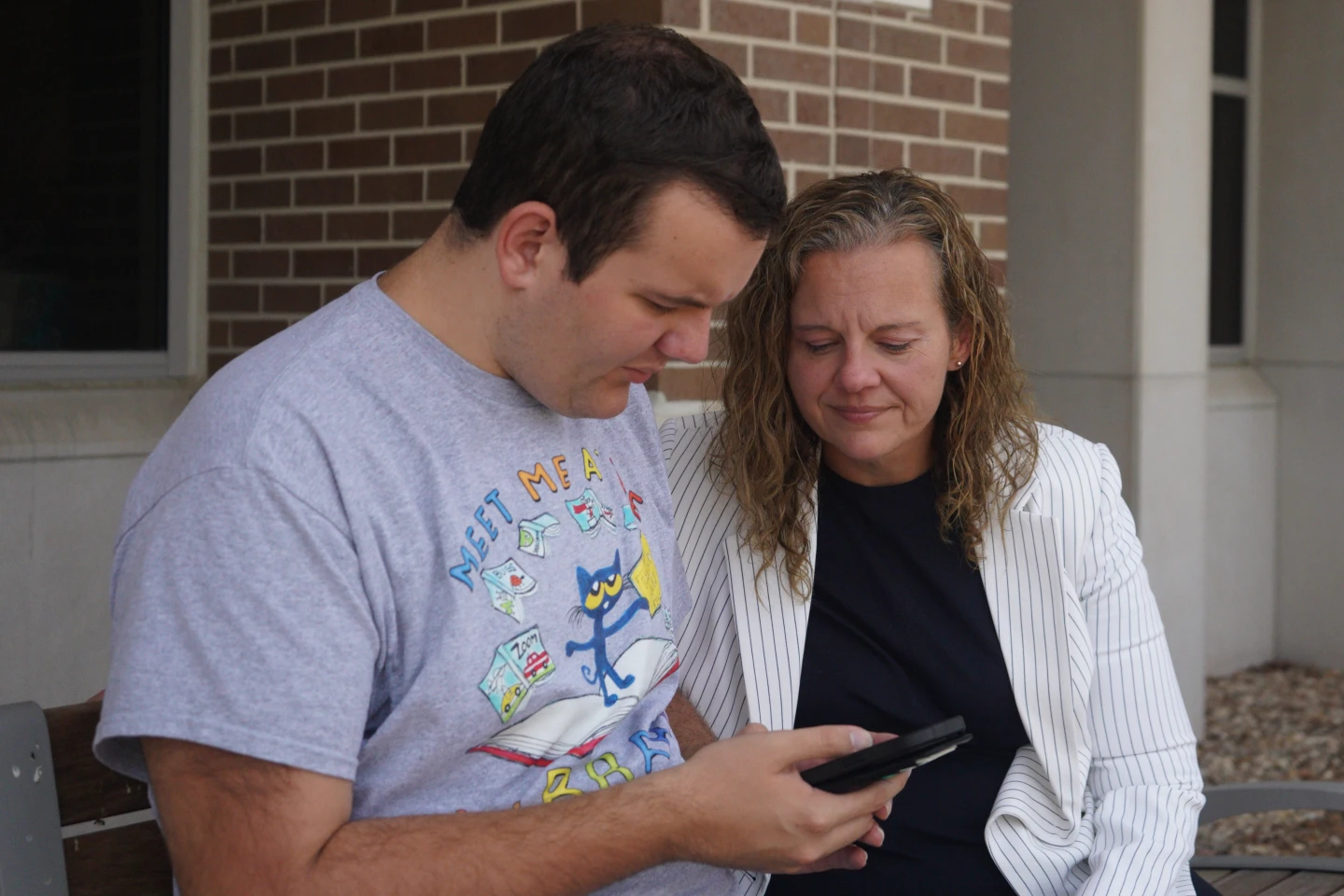
Dani Derner, who has an autistic son, spoke out against the notion that mothers are responsible for autism, emphasizing that such perspectives are counterproductive and harmful.
Despite the negative aspects of the discourse, some individuals feel encouraged that autism is being discussed at high political levels. Matt Murphy, a father of twin boys with profound autism, expressed optimism about potential policy changes and increased support for autistic individuals.
The Path Forward
While some community members appreciate the acknowledgment from the government, others caution against homogenizing autism experiences, reminding others that the broader spectrum includes a variety of needs and supports. Judith Ursitti of the Profound Autism Alliance notes the complexity of autism discussions and the importance of tailored interventions.
These discussions around autism reveal a divide in perceptions and experiences, underscoring the need for inclusive conversations that involve all facets of the autism community.