In brief
Cyclone Murasu struck India’s southern coastline early Tuesday with forceful winds and heavy rainfall. While trees were uprooted and flights were cancelled, authorities reported no casualties and maintained normal power supply. The event follows Cyclone Arnab, which caused over ten deaths earlier this month in the region.
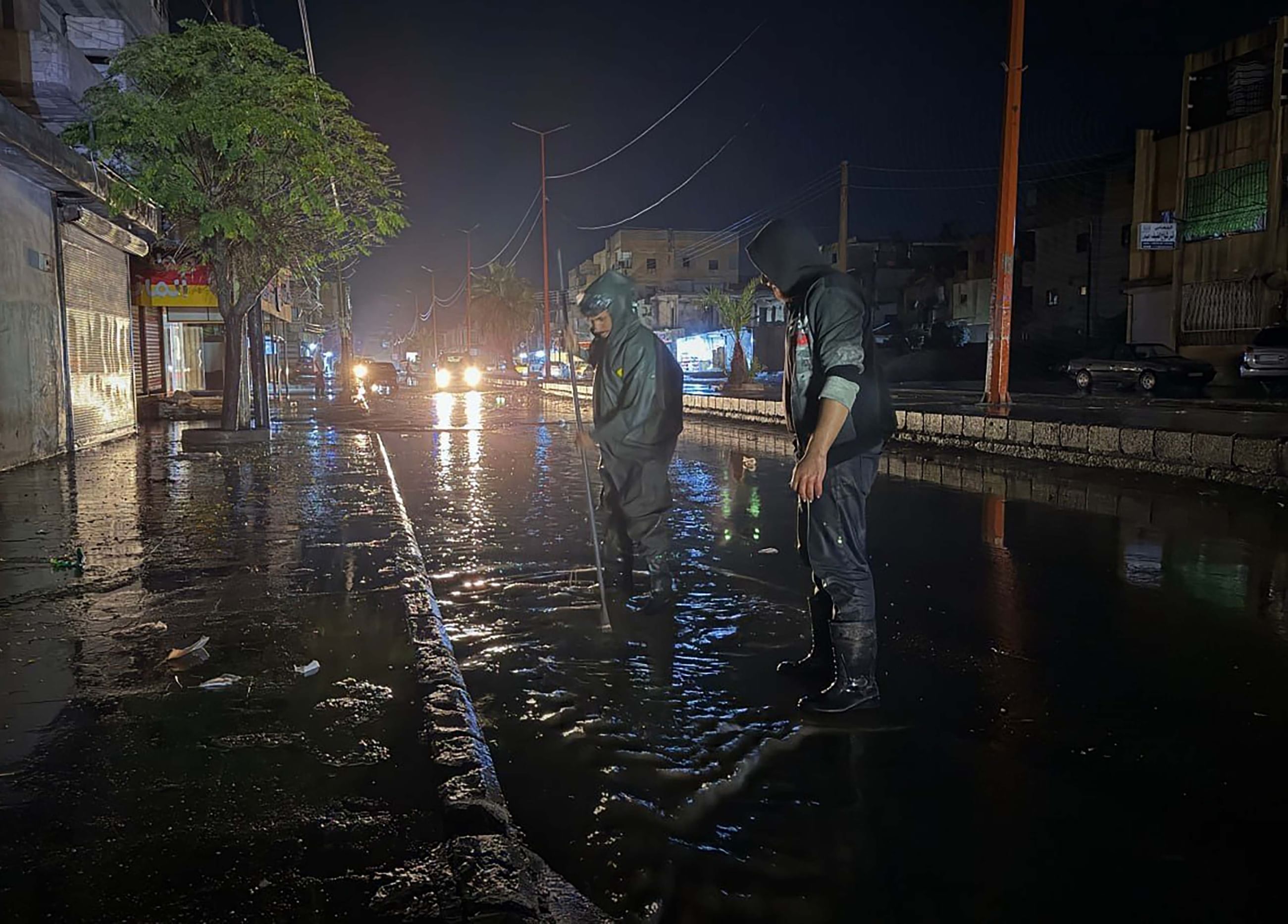
Early Tuesday, a second cyclone in the past week slammed into India’s southern coast, bringing a gust of 120 km per hour wind, torrential rain and uprooted trees to Andhra Pradesh and neighboring Tamil Nadu. Local disaster-management officials confirmed that the storm, named Cyclone Murasu, struck with no loss of life and no reported injuries to the hundreds of residents affected by the early‑morning squall.
Local media reports indicated that power stations remained operating in the affected districts, despite the high winds and widespread damage to vegetation. For several hours, residents were urged to stay inside homes as the cyclone brought heavy rains that swelled streams and bent high trees. Children and senior citizens were asked to avoid low‑lying coastal neighborhoods that are prone to flooding during such storms.
Impact on Air Travel and the Economy
In the wake of Cyclone Murasu, more than 20 flights—including international services—were either cancelled or diverted from major airports in Andhra Pradesh and-wise in Tamil Nadu. Air traffic controllers reported that the sudden wind shift and heavy precipitation forced pilots to reroute, preventing the arrival of scheduled domestic and international passengers.
Commercial airports in the region, such as Visakhapatnam and Chennai, experienced a temporary reduction of air traffic, with airlines announcing alternate routing plans to accommodate the disrupted schedules. Travelers who had booked flights to the coastal areas were advised to check with airlines for immediate rebooking options and to monitor local weather updates for potential changes.
Public transportation authorities in Andhra Pradesh communicated that buses and regional trains experienced delays as a precautionary response to the cyclone, ensuring that both driver safety and passenger protection were prioritized during the unsettled weather.
While no casualties have been reported, the event followed last week’s Cyclone Arnab, which claimed more than ten lives in Andhra Pradesh and the neighboring state of Odisha. Authorities noted that the recurring cyclonic activity in the Bay of Bengal is a growing concern that underscores the importance of climate‑adapted infrastructure and robust early‑warning systems across India’s vulnerable coastlines.
In response, disaster‑management officials called for strengthened tree‑planting initiatives and coastal restoration projects that can serve as natural barriers against wind damage. Neighbouring villages have been encouraged to employ local moisture‑retaining vegetation as a mitigating measure against the rapid weather changes typical of cyclonic events.
City‑wide community groups in Andhra Pradesh and Tamil Nadu are coordinating with regional authorities to provide emergency shelters and water supplies for residents advised to remain indoors during the storm. These groups are working to maintain open communication lines with local meteorological offices to relay up‑to‑date wind and rainfall forecasts to citizens in real time.
Meanwhile, environmental scientists have cited the increasing frequency of cyclones in the Bay of Bengal as part of a broader trend that may be linked to changing ocean temperatures. While no single source confirmed a causal link, experts across the region are advocating for coordinated research and data‑sharing initiatives that can help refine predictive models for future cyclone events.
In sum, Cyclone Murasu’s arrival brought destructive winds, ample rainfall, and widespread tree loss but no reported deaths—a testament to the preparedness and coordination executed by disaster-management teams. Continued emphasis on environmental resilience, timely alerts, and community‑driven response systems will remain essential as India faces the escalating climate challenges of a warming planet.