In brief
Following a deadly crackdown on protesters in Bangladesh, a UN report highlights significant human rights violations and alleges that former leadership's actions may qualify as crimes against humanity, with thousands of deaths and injuries reported.
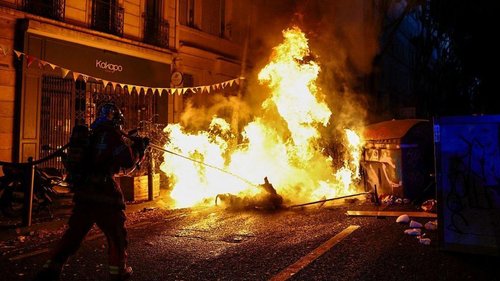
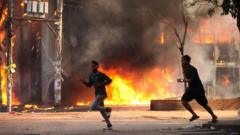
The recent report from UN human rights investigators has made serious allegations against the former government of Bangladesh, led by ex-Prime Minister Sheikh Hasina, claiming that their violent suppression of mass protests could amount to "crimes against humanity". The investigators' findings coincide with revelations of over 1,400 deaths, predominantly caused by security forces during last year's unrest, which marks the bloodiest period for the country since its war of independence in 1971.The unrest, initially sparked by student-led demonstrations protesting job quotas within the civil service, grew rapidly into nationwide calls for the ousting of Hasina and her ruling Awami League Party. This escalation followed a gruesome police crackdown that resulted in casualties and injuries on a scale unprecedented in the nation's history.In Geneva, UN Human Rights Chief Volker Türk shared the organization's findings, stating that a systematic and violent policy to suppress anti-government protests was directed by top political leaders and security officials. Türk emphasized that evidence gathered during the investigation suggested that the senior leadership was not only aware of the offenses being committed but actively involved in orchestrating violent responses, including extrajudicial killings, arbitrary arrests, and torture.Among the more alarming statistics, the UN report highlighted that children accounted for approximately 13% of the fatalities recorded between July 1 and August 15. The report contends that the violence was intended as a tactical move to maintain the government’s hold on power in the face of growing unrest from civil society.Highlighting the investigation's thoroughness, Türk noted that the evidence was derived from over 230 interviews with survivors and witnesses, supplemented by access to medical records, photographs, and video evidence. Investigators interviewed senior officials who described the commands and directives given by Hasina and her associates regarding operational responses to protests.Though the report primarily implicates government security forces in the violence, it also calls attention to violence perpetrated against supporters of the former government and against various religious and ethnic minorities who may have faced retaliatory actions during this period of unrest.In light of these findings, Bangladesh’s interim government, led by Muhammad Yunus, has expressed commitment to fostering an environment where citizens can live in security and dignity, but the ramifications of this report may persist as the international community calls for accountability and justice for victims of the mass violence.