In brief
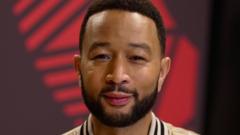
John Legend expresses unwavering support for his performance in Rwanda amid public scrutiny, highlighting cultural collaboration over political differences while the region faces serious humanitarian crises from ongoing conflicts.
American singer John Legend is facing significant backlash over his recent concert in Rwanda, despite the country's controversial involvement in the ongoing war in the neighboring Democratic Republic of Congo (DRC). After headlining the Move Afrika event in Kigali, Legend spoke to the BBC and stood by his decision, arguing that punishing Rwandans for their government’s actions is unjust.“Punishing the people of Rwanda for the actions of their leaders just doesn’t make sense,” he stated. This comes at a time when reports have highlighted Rwanda's support for M23 rebels, who have captured key cities in eastern DRC, leading to widespread violence and massive displacement of civilians.Critics suggest that Legend’s influential status as a winner of the Emmy, Grammy, Oscar, and Tony (EGOT) awards could have been leveraged to make a significant statement about the crises in the region. Fellow artist Tems opted out of the concert for this reason, citing insensitivity to the situation in the DRC. However, Legend insists his performance was crucial for promoting and developing concert touring in Africa. “I believe in the mission of Move Afrika,” he asserted, emphasizing the importance of supporting cultural events on the continent. His concert drew thousands of fans, but the social media reaction was harsh enough for him to delete a promotional post on Instagram.Activists have described his appearance as potentially endorsing government actions in Rwanda, arguing that such performances can be seen as “collaborating with oppression.” Legend's long-standing political activism is well-documented, especially regarding issues in the U.S., making this public scrutiny particularly compelling.Furthermore, Rwanda has been accused of “sportswashing,” where the government attempts to improve its global image through sports sponsorship, while also receiving substantial foreign aid. Critics continue to call on public figure artists like Legend to reconsider their engagements with regimes accused of human rights abuses.While Legend’s team refrained from discussing these matters directly, it appears their focus is on the unifying message of music over political controversies. As the debate around cultural performances and political accountability continues, the impact of artists on global issues remains a pressing conversation in the realms of art and human rights.