Xi Jinping’s Pyongyang Visit: A Geopolitical Clamp on Green Progress
Chinese President Xi Jinping concluded a two‑day state visit to Pyongyang on Tuesday, the first official trip to the isolated nation since 2019. North Korean leader Kim Jong Un welcomed him with a grand ceremony featuring acrobatic displays and a pledge of enduring alliance.
Although no new agreements were announced, both leaders reaffirmed that the China‑North Korea relationship remains central to their foreign policies, with Xi praising the shared history and hinting at deeper cooperation. Kim noted that the visit signals China’s priority for bilateral ties, especially in a region where Russia’s influence is growing.
In the climate context, the absence of any dialogue on nuclear denuclearization or energy transition highlights a persistent obstacle to reducing North Korea’s carbon footprint and meeting global sustainability targets. The island’s nuclear program, coupled with heavy sanctions, limits its ability to engage in renewable projects that could otherwise aid its economy and reduce emissions.
China’s official stance has softened its public calls for North Korea to denuclearize, though it still frames a “one‑party, one‑state” model as the path forward. Critics argue that this model conflicts with progressive environmental policies and international aid structures designed to foster sustainable industrialization.
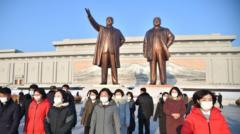
Both leaders used symbolic gestures, such as planting a fir tree to represent an “evergreen” friendship, and visiting the Friendship Tower commemorating Korean war history. While the pomp underscored their political bond, it also masked deep ideological differences that could stall cooperation on climate‑friendly initiatives.
The upcoming years will test whether China’s diplomatic leverage will open pathways for North Korea to adopt greener technologies, mindful of the need to balance national security with planetary resilience. For global climate action, a reconciled approach toward nuclear disarmament and environmental stewardship remains critical.