In brief
Winter storm warnings have been issued for travelers this Thanksgiving weekend, affecting regions from Montana to New York. Heavy snowfall is expected in the Midwest, with areas like Iowa and Illinois anticipating up to a foot of snow. Additionally, snow squalls are likely to create dangerous driving conditions in parts of the Northeast. To the south, heavy rains may lead to flash flooding, while temperatures across the country remain well below average.
This Thanksgiving weekend, travelers in the northern part of the United States can expect some challenging weather conditions. A series of winter storm warnings have been issued across multiple states, from Montana to New York, bringing with them significant snowfall, rain, and cold temperatures.
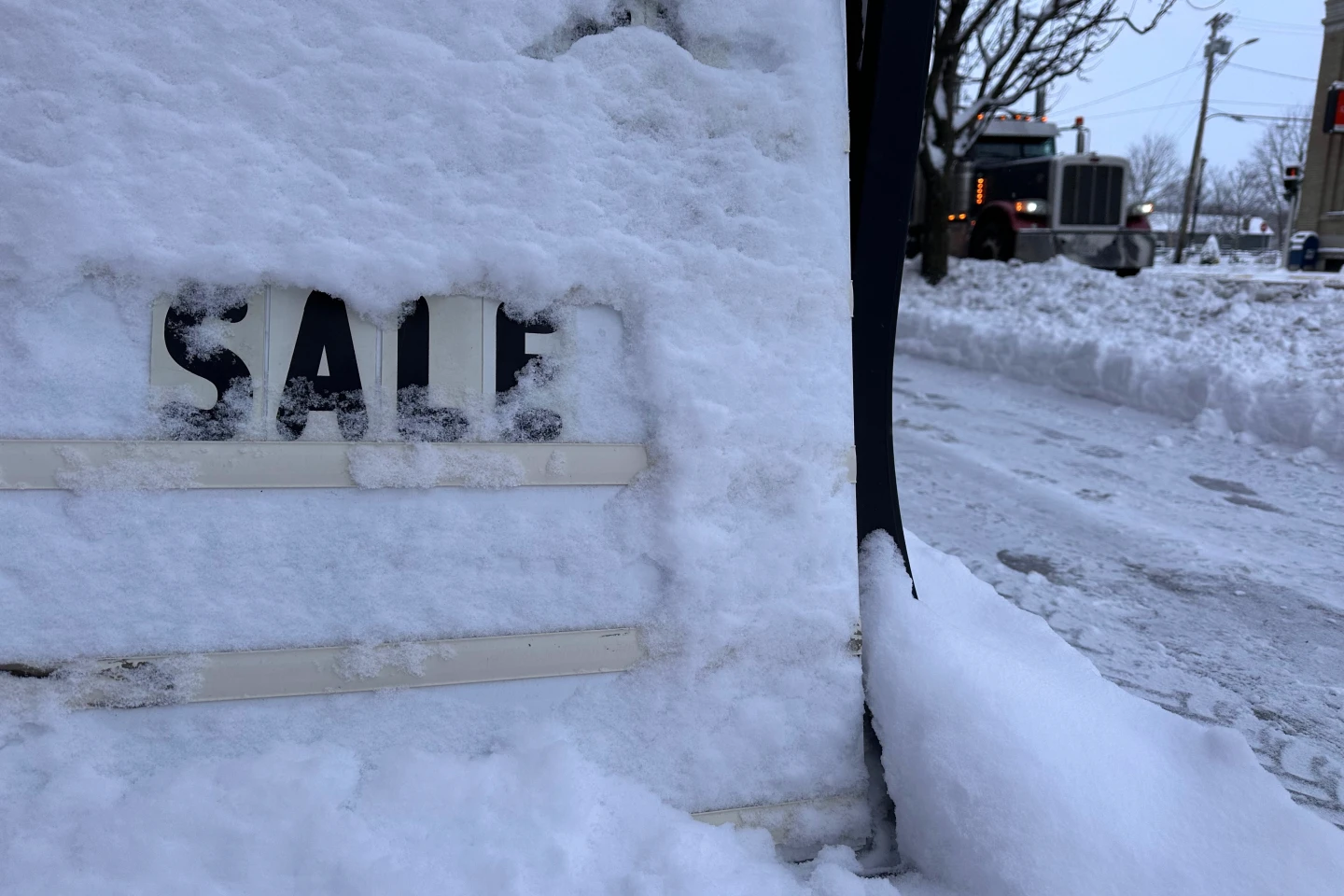
The National Weather Service is predicting that snow will begin to fall Friday and could last well into the weekend, particularly impacting states such as Iowa and Illinois. In west-central Illinois, snowfall is projected to exceed six inches and could reach a foot in some areas.
Currently, forecasters indicate that the conditions do not quite meet blizzard criteria, which includes sustained winds of at least 35 mph and reduced visibility of a quarter mile or less for at least three hours. Nevertheless, hazardous conditions are likely, leading travelers to be extra cautious on the roads.
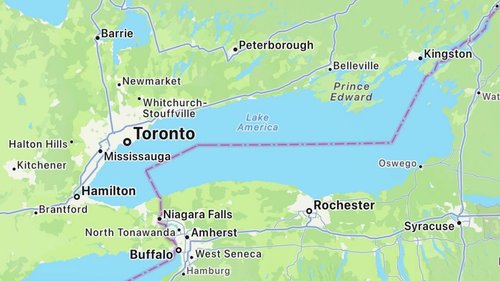
The storm that has already affected the northern Plains and Great Lakes regions is set to continue, with snowfall totals expected to accumulate significantly — particularly in areas downwind from Great Lakes like Michigan's Lower Peninsula and parts of New York.
Travelers should also be aware of potential snow squalls on Friday that can bring sudden bursts of heavy snow, contributing to dangerous whiteout conditions. Meanwhile, in the Pacific Northwest and Rockies, a mix of rain and snow is expected Friday, with the snow tapering off in those areas by Saturday but continuing across parts of the Midwest into the weekend.
While conditions in the south may not involve snow, storms with heavy rain are anticipated. Flash flooding is a concern in the western Gulf Coast regions as the weekend progresses. The eastern and central U.S. will experience below-average temperatures, with daily highs only reaching the 20s and 30s in the Midwest and 30s to 40s in the Northeast.
As travelers gear up for their journeys during one of the busiest travel periods of the year, staying informed and prepared will be crucial for navigating the upcoming winter weather challenges.