In brief
As Donald Trump aims for a second term, experts warn that his policies may favor industrial interests over animal welfare, negatively impacting wildlife and farmed animals alike, alongside crucial ecological systems.
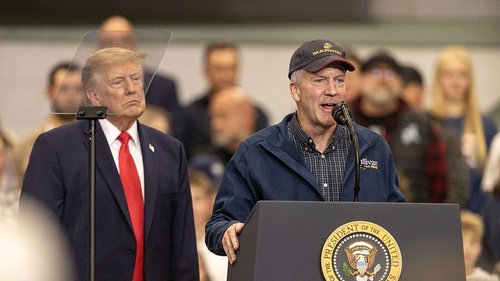
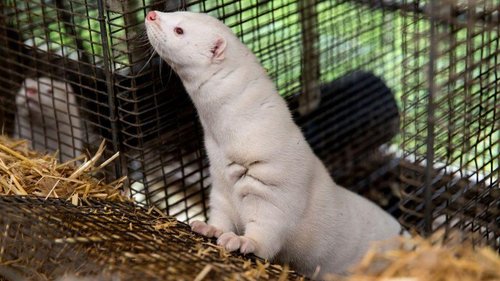
With the prospect of a second Trump administration looming, the implications for animal welfare and ecological balance are becoming a focal point of concern among environmentalists and animal rights advocates. Experts believe that the approach taken by the former president during his first term—prioritizing the interests of industry—might intensify, fundamentally shifting how animals, both wild and domesticated, are treated under federal guidelines.As Ann Linder, an associate director at the Harvard Animal Law and Policy Program, highlighted, “The federal government dictates a lot about the lives of all different kinds of animals.” From wildlife in natural habitats to domestic animals in agricultural settings and even those in laboratories, the policies enacted at the federal level can dramatically influence animal welfare.During his presidency, while Trump enacted certain positive measures, such as federal legislation against extreme animal cruelty, these actions were overshadowed by a broader trend favoring deregulation. Nancy Blaney, a prominent voice at the Animal Welfare Institute, expressed concern that a push for deregulation could result in profound negative impacts on animal populations across the nation.One key area of concern remains climate policy. Trump's stance has historically leaned towards skepticism on climate change, prompting fears that policies neglecting ecological preservation could threaten vulnerable ecosystems. As scientists continue to alert policymakers about the dwindling health of wildlife, such as coral reefs and endangered species, concerns about how a potential second term could exacerbate these crises are at the forefront.As the electoral process unfolds, the stakes for animal welfare and environmental integrity are higher than ever, making it imperative for voters and advocates to closely scrutinize the implications of leadership choices on the future of wildlife and global ecosystems.