In brief
For centuries, Theyyam has sparked a vibrant cultural renaissance in Kerala, where the ritual transcends mere performance, enabling marginalized communities to express their spirituality and heritage through elaborate artistry and devotion.
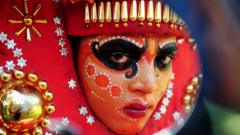
In the picturesque state of Kerala, India, Theyyam stands as a breathtaking celebration of spirituality, culture, and tradition. This ancient folk ritual, which has thrived for nearly 300 years, transcends the boundaries of performance art, intertwining ancient tribal customs with rich elements of Hindu mythology. Each Theyyam event is both a theatrical display and an act of profound devotion, where male performers take on divine identities through stunning costumes, elaborate face paint, and spirited dances, paired with rhythmic music that captures the spirit of the gods.Each year, the Theyyam season, running from November through April, hosts around a thousand performances predominantly in family estates and temples. These rituals are often held by men hailing from marginalized castes and tribal groups, generating a palpable electrifying atmosphere filled with dramatic feats, such as fire-walking and invocations that compel the audience to witness a dance that blurs the lines between the human and divine.KK Gopalakrishnan, an ardent historian, has documented his family's cherished tradition of hosting Theyyam performances in his book, "Theyyam: An Insider’s Vision." His work encapsulates the diverse and dynamic practices, including the noteworthy involvement of Muslim performers in a ritual deeply rooted in broader cultural rituals that integrate both Hindu and tribal beliefs.The performances at Gopalakrishnan's ancestral home involve honoring various deities, invoking deified ancestors, and paying tribute to powerful animal spirits that symbolize protection and strength. Preceding these electrifying displays, rituals performed in sacred local forests serve to invite the spirit of the deities into the earthly realm, weaving together community participation and devotion.The heart of each performance lies within the Gopalakrishnan family structure, wherein matrilineal lineage plays a significant role. The senior maternal uncle oversees rituals, while women in the family prepare for ceremonies, ensuring traditions are upheld and passed down through generations, often decorated with respect and reverence for their crucial roles.Fire, representing purity and divine energy, plays an integral part of Theyyam’s dramatic narrative. Performers interact closely with flames, symbolizing not only their valor but also an embodiment of divine capabilities. However, behind this captivating display lies the physical toll of the performance, marked by risks including severe burns or bodily injuries.The array of deities portrayed in Theyyam spans ancestral spirits to elements of nature, each uniquely characterized by elaborate decorations. From their intricate body paint to vibrant costumes, each theyyam artist embodies a distinct presence, with the transformation serving as a spiritual offering and expression of creative devotion. Through this unparalleled connection to nature and reverence for the spirits within it, Theyyam serves a dual purpose of artistic expression and environmental acknowledgment. Living embodiments of gods, such as a crocodile theyyam, showcase humanity’s intrinsic ties to the natural world. The sacred moments reach a crescendo during performances when the deity blesses the gathered devotees. These intimate experiences allow attendees to release their burdens, seeking solace and spiritual rejuvenation, drawing together themes of devotion, vulnerability, and sacred connection in an atmosphere charged with energy. Theyyam's enduring legacy continues to illuminate the path toward sustainable cultural identity, ensuring future generations carry forward the vibrant gifts of their rich heritage.