In brief
A group of white Afrikaners from South Africa is set to arrive in the U.S. as refugees, amidst broader restrictions on global refugee admissions, sparking debate and concern over the motivations behind this selective resettlement.
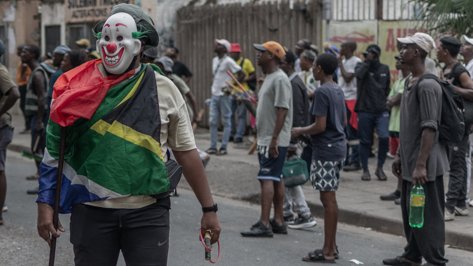
In a move that has generated significant attention and debate, the Trump administration is preparing to facilitate the arrival of its first group of white South African refugees next week. This initiative, highlighted in documents and briefings, marks a stark contradiction to the administration's broader refusal to admit refugees from various parts of the world. Reports indicate that President Trump has characterized the white Afrikaners, a minority group in South Africa, as victims of racial persecution.According to a memo from the Department of Health and Human Services, government officials are expected to be present at Washington Dulles International Airport in Virginia to greet the newly arrived refugees. Although the initial plan was to welcome them on a Monday, logistical challenges related to flight arrangements may alter these timelines.Critics argue that this selective refugee resettlement compromises the integrity of a long-standing program that has historically provided shelter to those escaping dire circumstances, including war and natural disasters. While processing for worldwide refugee admissions has largely ground to a halt, the Afrikaners have moved through the system with unusual speed. It is noted that many refugees, such as displaced Congolese families and Rohingya people, endure extended waits, sometimes spanning years in camps, for their applications to be processed.Before the current administration, the average processing time for refugees to be resettled in the U.S. typically ranged from 18 to 24 months, according to the American Immigration Council. Today, the expedited arrival of white South Africans raises critical questions about the fairness and future of the U.S. refugee program under the Trump presidency.The decision to prioritize Afrikaners not only highlights the stark differences in refugee admission standards but also paints a complex picture of immigration policy that continues to evolve amid a backdrop of national and international scrutiny.