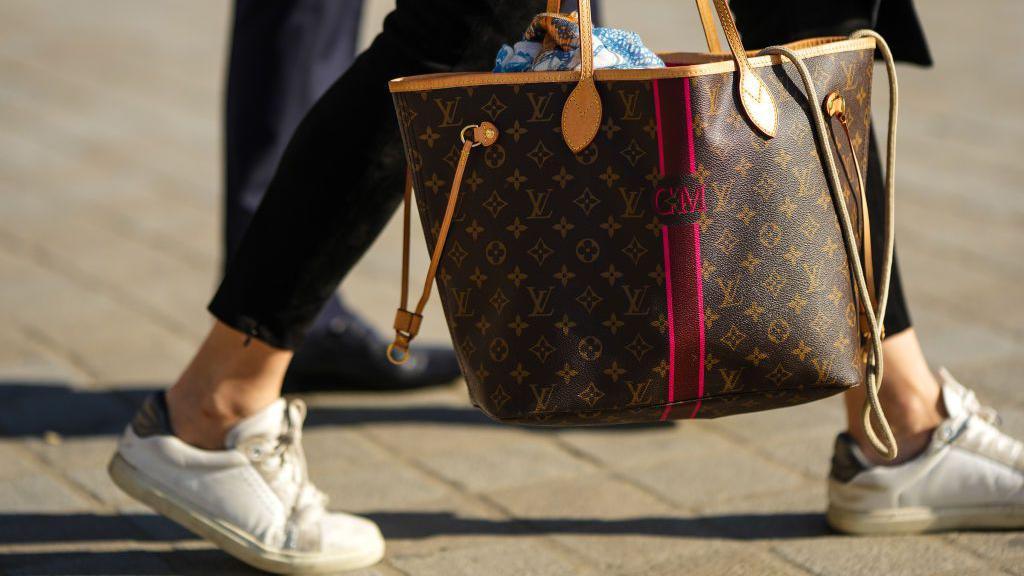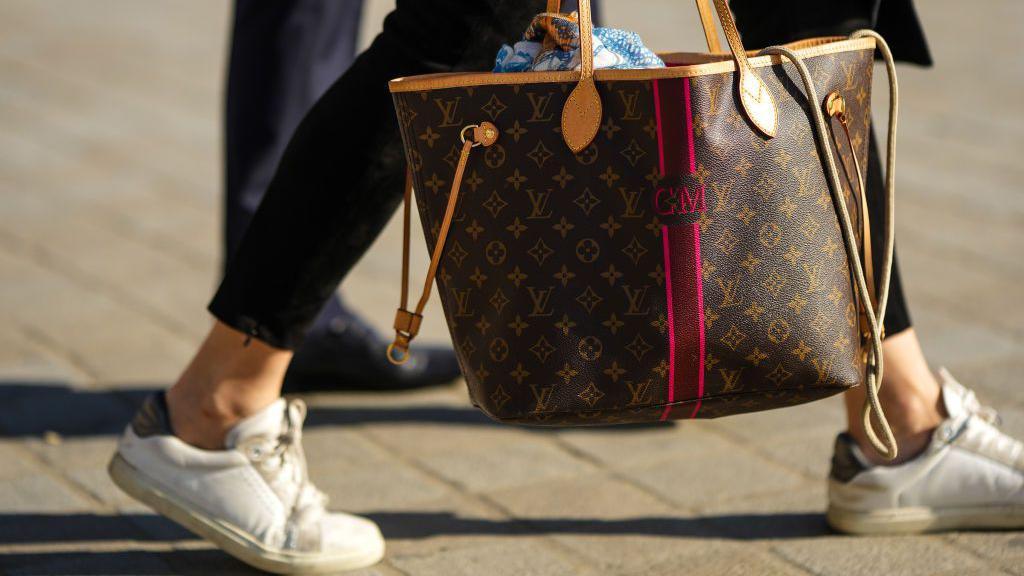
In a sweeping operation, Vietnamese police seized more than 23,000 counterfeit slippers— Nike, Adidas, Crocs and Gucci— from two warehouses in Ho Chi Minh City. The find, worth about VND 2 billion (£57,559), underscores a market that has long been a “black‑market cauldron” for luxury knock‑offs. Parallel to the raid, chilled stalls outside the city’s tourist district continue to display fake Chanel, Prada and Rolex emblems, priced at a fraction of their authentic counterparts.
Since May, the government has stepped up enforcement, declaring IP protection a top priority after the U.S. flagged Vietnam as a “priority foreign country.” Markets such as Saigon Square and Ben Thanh have faced surprise inspections, confiscating thousands of items and fining vendors in the tens of thousands of dollars.
While the crackdown has pushed some sellers to close shop, others sustain by moving designs and brand names— “Nike” becomes “Mike”— staying a step ahead of the law. Environmentalists note that every counterfeit product ultimately ends up as waste, yet the crackdown may also curtail the proliferation of cheaply made, low‑quality goods that pollute the supply chain.
A local tail‑or, Thi Nguyen, is hoping to shift to genuine designs, believing that a cleaner market will allow skilled artisans to command fair wages. Conversely, low‑income consumers still crowd the markets, citing affordability as the main driver for buying fake items.