In brief
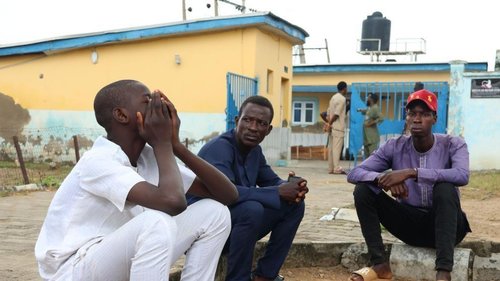
Interpol’s Operation Global Chain was a massive police operation that netted over 1,000 arrests across 59 countries. More than 2,070 victims were identified, with the majority of them women, and a number of suspects apprehended for forced labour, sexual exploitation, and criminal networks. The operation exposed new trafficking routes, including Latin American women trafficked to Europe, and highlighted the importance of cross-border communication for protecting vulnerable populations.
Interpol’s Operation Global Chain began on 8 June and involved 40,000 officers worldwide, leading to more than 1,000 arrests across 59 countries.
Authorities targeted trafficking for sexual exploitation, forced labour, criminality and coerced begging. The operation dismantled a network that trafficked victims into online scamming in Cambodia and another that forced under‑age girls into sex work in Europe.
In total, 2,070 victims or potential victims were identified; the vast majority were women. Out of the arrests, 334 were for human trafficking and 690 for related crimes.
Interpol, working with Europol and Frontex, highlighted evolving routes and methods: a surge of Latin American victims trafficked into forced labour in Europe and about 10% of victims were minors subjected to sexual exploitation.
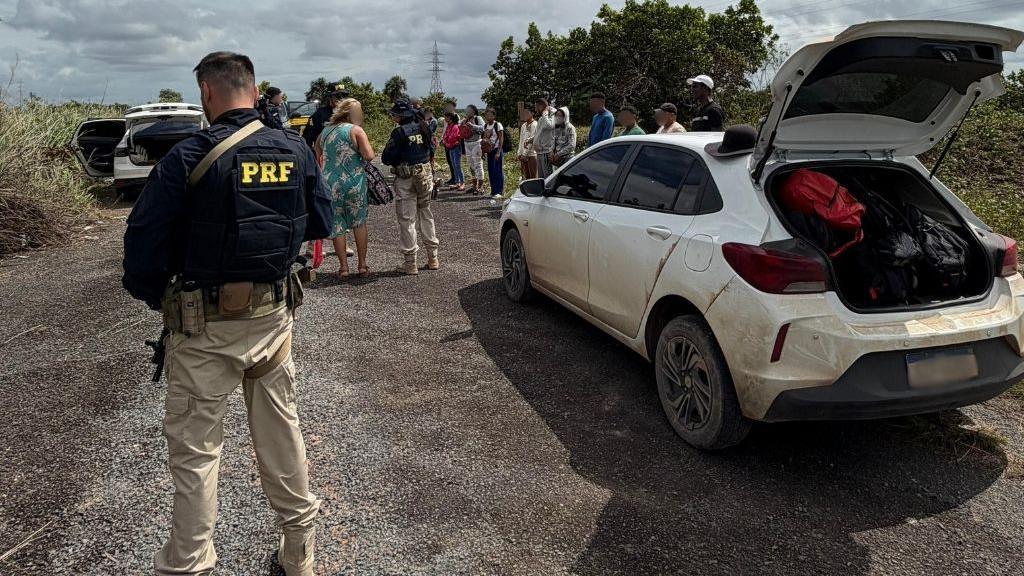
Countries such as Colombia launched airport campaigns to warn of fraudulent job offers, while Brazil’s Federal Police uncovered a trans‑national network moving victims to Cambodia for online scamming.
Interpol released notices on wanted suspects. The operation identified 201 additional suspects, leading to 465 investigations and the rehabilitation of victims through national support services.
The crackdown involved policing in diverse regions: Africa, the Americas, Asia and Europe. Victims were predominantly trafficked for sexual exploitation (75%), followed by forced criminal activity (20%), labour (11%) and begging (2%).
Interpol Secretary Valdecy Urquiza emphasised that human trafficking remains a highly profitable and pervasive crime, generating billions in illicit revenue each year and causing severe, lasting harm to victims.
He added that the operation’s success demonstrates the potential of coordinated, trans‑national cooperation in disrupting criminal networks and safeguarding vulnerable populations.