Climate‑Accelerated Risks: The Vietnam Speedboat Tragedy
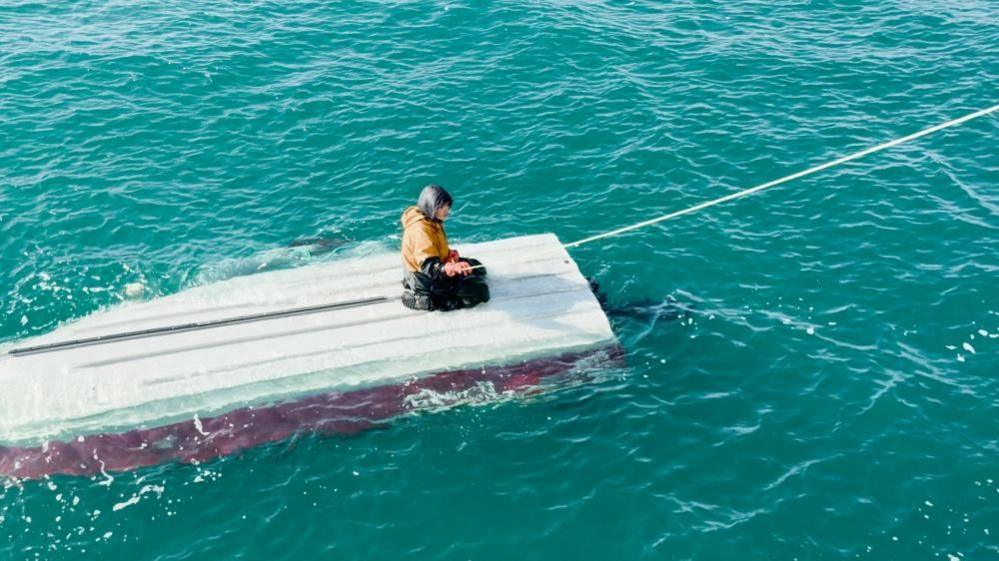
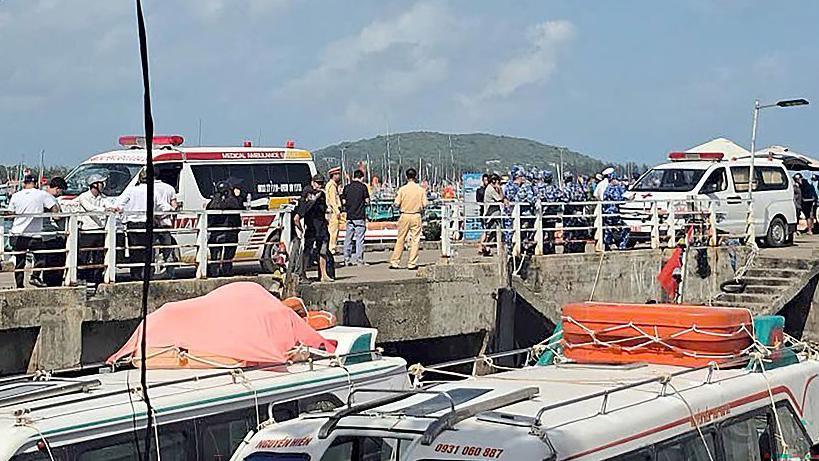
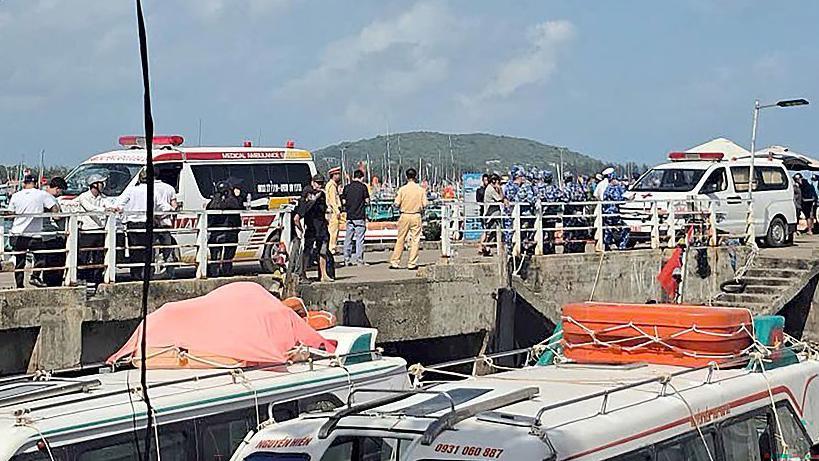
On 11 July 2026, a speedboat carrying 32 Indian tourists and four crew members overturned 400 metres off the tiny island of Hon May Rut Ngoai in the Gulf of Thailand, claiming 15 lives.
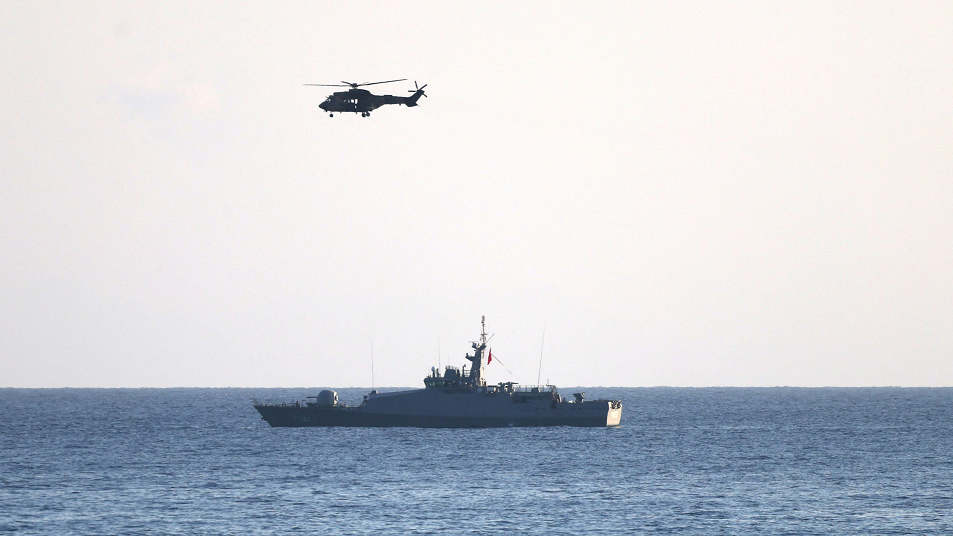
Rescue teams from nearby vessels arrived almost immediately, pulling many passengers from the capsized boat—yet the surge of waves, intensified by a sudden gust of wind, left a tragic toll. 21 survivors were reported, and authorities are still verifying exact casualty figures.
Why Climate Matters
Marine specialists note that cooler regional seas are rising in frequency and intensity over the last decade, a direct consequence of global warming. High‑wave events, even in tropical latitudes, now pose a greater threat to small, fast‑moving tourist vessels—particularly those operating in reef or shallow coastal areas.
Sea‑level rise reduces buffer zones between storm surges and shorelines. When combined with stronger sea currents, it amplifies the risk of capsizing, entanglement, and rapid immersion for those aboard.
Call for Sustainable Safety Measures
•Enhanced vessel design: Incorporate higher buoyancy, wind‑breakage panels, and automated stability controls.
•Real‑time weather protocols: Deploy mobile weather stations and AI‑driven alerts to warn operators before capsizing risk escalates.
•Emergency training: Mandate lifeboat drills, crew certification, and emergency evacuation plans that respect local rescue capacity.
•Integrated insurance: Provide climate‑adjusted insurance funds that cover rescue operations and post‑incident support.
A Window of Opportunity
India’s Prime Minister Narendra Modi and the local Vietnamese authorities have both expressed deep condolences, underscoring the importance of swift international cooperation. The incident presents a stark reminder that climate change can diminish the safety of hospitality footprints—a cost far exceeding the economic benefits of a booming tourism sector.
To protect future travelers and keep coastal economies thriving, stakeholders must embed climate resilience at every touchpoint—from design and procurement to operations and end‑user awareness. Only through such proactive measures can we mitigate tragedy and secure sustainable futures for our oceans and the communities that depend on them.
For more insights and ongoing climate‑resilient tourism developments, follow Echosphere.news.