In brief
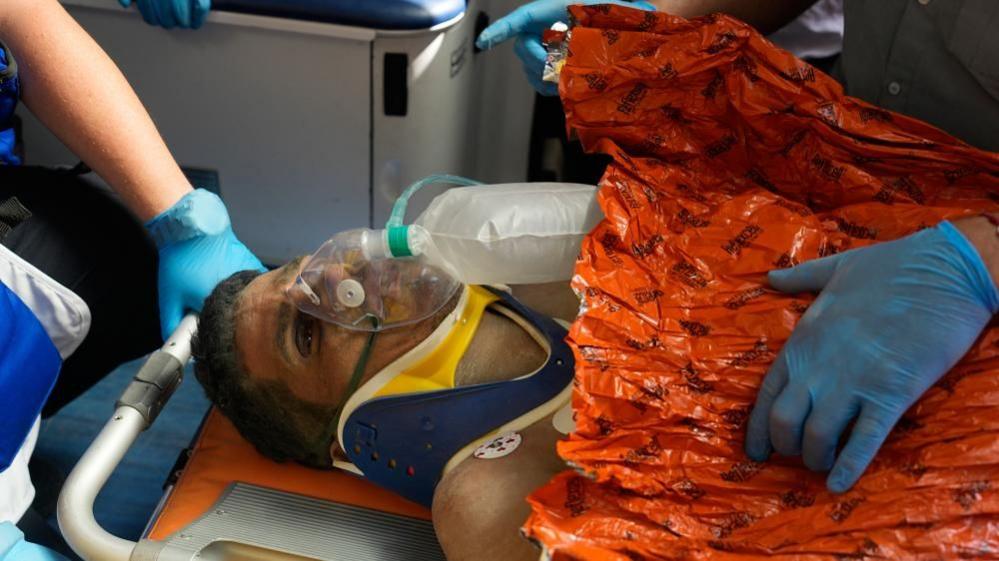
A security guard named Hernán Gil was rescued alive after eight days beneath 140 tonnes of rubble from twin earthquakes in Venezuela. International workers from six countries spent over 100 hours to free him, aided by a concrete booth that shielded him from crushing debris. The rescue was hailed by Acting President Delcy Rodríguez as a "living miracle", and the disaster has killed 2,595 people and left tens of thousands missing. Gil’s story underscores the importance of resilient infrastructure and swift humanitarian response to climate‑linked seismic hazards.
In an extraordinary display of perseverance and international cooperation, a security guard named Hernán Gil was rescued alive after spending eight days buried beneath 140 tonnes of rubble following twin earthquakes in Venezuela.
Emergency workers and volunteers from Venezuela, Chile, Costa Rica, El Salvador, Mexico, Portugal and the United States spent more than 100 hours to free Gil, who was protected by a concrete booth that shielded him from crushing debris.
Venezuela’s Acting President Delcy Rodríguez called the rescue a “living miracle” and emphasised that the government had mobilised thousands of officials to respond to the disaster, dismissing criticism of slow action.
To date the quakes have killed 2,595 people and left tens of thousands missing, underscoring how climate‑related extreme weather can magnify the impacts of seismic events.
The story of Gil’s survival serves as a stark reminder that building resilient infrastructures, fostering international humanitarian partnerships, and investing in disaster‑risk reduction are essential for safeguarding communities in a warming world.