In brief
Amid a two-week diplomatic frenzy, including significant discussions with Donald Trump, Russia appears to have strengthened its position, but concrete steps toward peace in Ukraine remain absent. The Kremlin's refusal to agree to an unconditional ceasefire casts doubt on the future of negotiations despite ongoing talks.
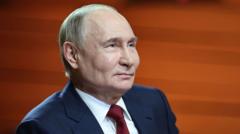
Inside the Kremlin, a labyrinth of negotiations and symbolic gestures persists as the war in Ukraine drags on. A recent event featuring President Vladimir Putin left journalists puzzled as plans shifted from a press conference to a one-sided statement advocating direct talks with Ukraine in Istanbul. While this implied a willingness to engage, skeptics question the sincerity of such overtures as fighting continues unabated.Putin’s narrative focused on a proposed peace process, yet Russia's stance remains firm—it will not concede occupied Ukrainian territories nor commit to an unconditional ceasefire. Instead, the Kremlin seems intent on playing for time, deflecting pressure while engaging in a series of diplomatic maneuvers designed to present an image of a seeking peace.Of significant note is the role of former U.S. President Donald Trump, who during a crucial phone call with Putin positioned himself as an intermediary. His past assertions of a quick resolution to the conflict now appear more aspirational than tangible, given the continued violence and Russia's management of international expectations.Analyzing the evolving dynamics reveals that Russia is effectively sidestepping pressure from Europe, particularly amid threats of sanctions. The Kremlin has claimed a victory in the diplomatic arena, viewing the current global climate as one favorable to its ambitions. Major Russian media outlets have proclaimed triumph in the diplomatic poker game, characterizing Trump’s approach as advantageous for Moscow.While negotiations continue, skepticism looms over their intended outcomes, especially with the absence of Ukrainian President Volodymyr Zelensky's legitimacy referred to favoring new elections. The specter of martial law seems to haunt these discussions, complicating any prospects for a comprehensive peace treaty.Trump’s ongoing dialogue with Russia, it seems, hinges less on immediate actions for peace in Ukraine and more on broadening U.S.-Russia relations, allowing the Kremlin to perceive an expert navigation of circumstances. The question remains whether these diplomatic engagements will ultimately lead to a viable path toward resolution or leave Ukraine in the same precarious state, much like the author wandering through a seemingly endless Kremlin. Russia’s determination to hold ground amid international scrutiny underscores a complex chess game on the global stage where time may be on its side, but peace for Ukraine feels as distant as ever.