In brief
The US-Iran talks in Pakistan are pressing forward, but several significant obstacles loom over the negotiations. From nuclear discussions and regional ally tensions to the resignation over sanctions relief, both sides face complicated dynamics that could hinder meaningful progress in resolutions.
The venue is ready, the guards are in place and the curb along the approach road has received a fresh coat of yellow and black paint. Islamabad awaits the US-Iran talks, hosted by Pakistan.
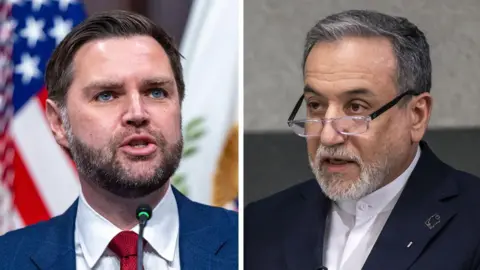
As vital discussions commence, Pakistani officials express optimism, claiming they possess trust from both sides. US Vice President JD Vance, leading the US delegation, appears hopeful, emphasizing a willingness to negotiate with Iran in good faith. However, a warning lurks beneath the optimism
Multiple obstacles threaten to derail the proceedings. The ongoing military campaign by Israel against Iran's ally, Hezbollah, adds pressure; Iran's leadership cautions that such actions jeopardize the talks. Additionally, the Strait of Hormuz remains a critical tension point, with accusations flying regarding Iran's control over this vital oil shipping corridor.
The nuclear issue continues to be the most contentious sticking point. While Iran insists on its right to enrich uranium for civilian purposes, US demands conflict with this stance, as they seek to limit Iran's nuclear capabilities.
Further complicating matters is Iran's extensive network of allies in the region, including groups in Lebanon, Yemen, and Gaza, which raises concerns about its influence and military ambitions.
Lastly, sanctions relief remains a pressing issue for Iran, which has called for the lifting of crippling international sanctions as part of any deal. The complexities of these negotiations highlight the challenges ahead for both nations in navigating their longstanding conflicts.