This week's trial of three undercover operatives, accused of helping the Kremlin to wage a hybrid warfare campaign to 'destabilise' France, sounds like a surefire recipe for drama, sophistication, and intrigue.
If only.
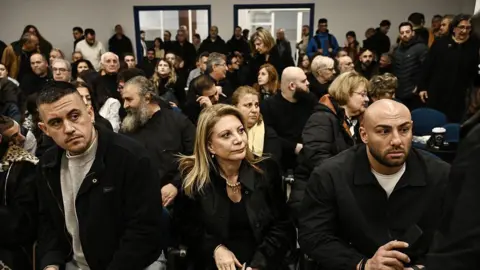
Over the course of three days, in a spacious, pine-panelled courtroom on the northern edge of Paris, the case against three seemingly unremarkable Bulgarian men unfolded with all the panache and excitement of a half-whispered lecture in a library.
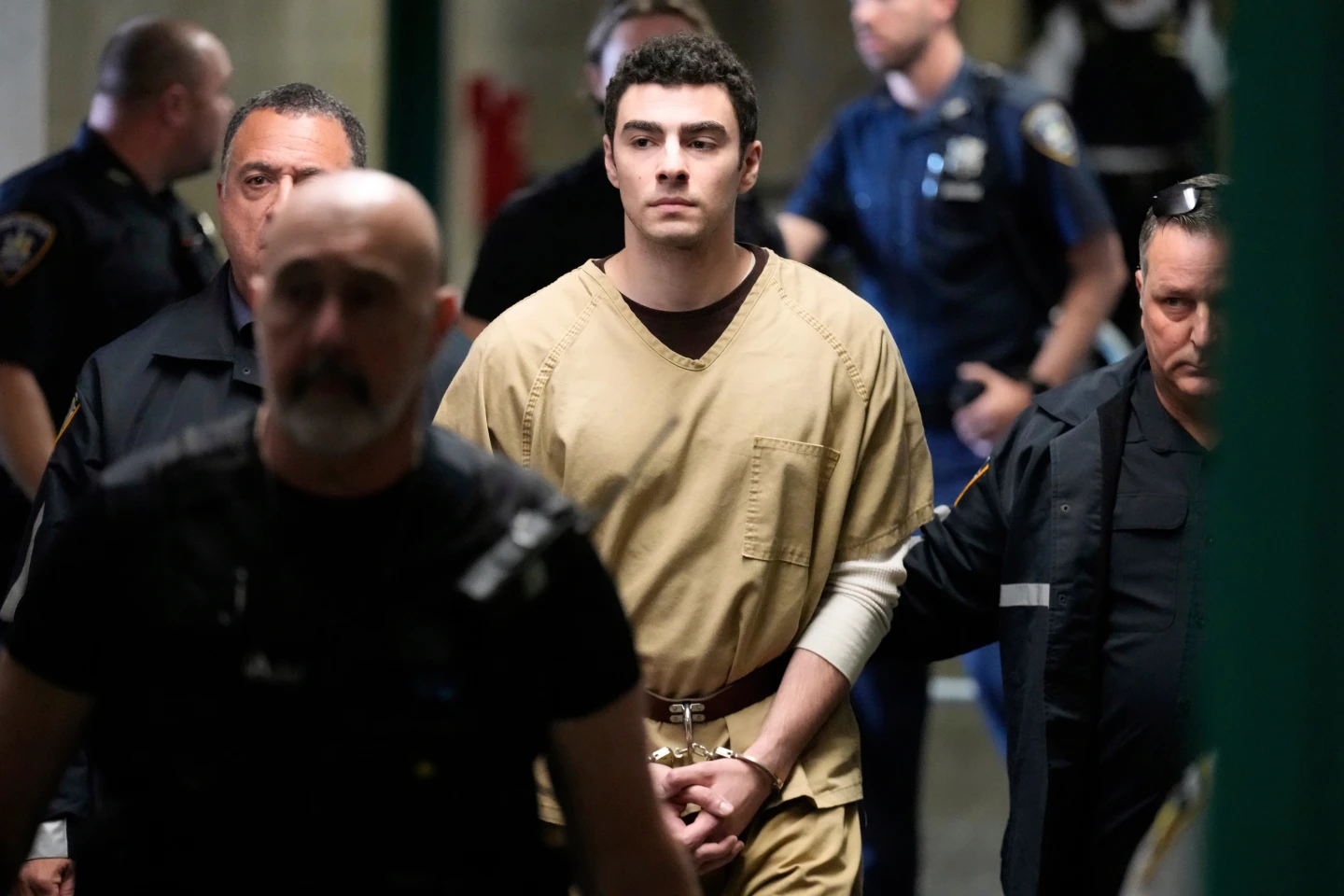
These three men were jailed for two to four years after admitting their part in vandalizing memorials to the Holocaust. Their motives ranged from financial desperation to attempts to deflect blame, revealing the banality behind acts imbued with significant political implications.
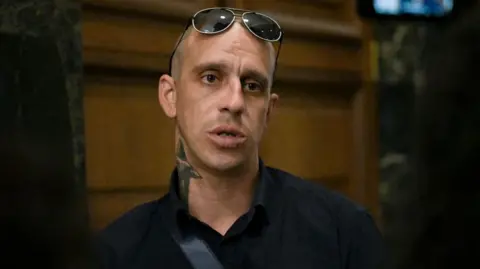
Georgi Filipov, one of the perpetrators, attempted to minimize his involvement by claiming ignorance of his location and plying the courts with excuses related to personal struggles and familial obligations. His narrative, however, was contrasted sharply by the beliefs inscribed upon his body; tattoos identified him with extremist ideologies.
The vandalism, notably leaving red paint handprints on the Wall of the Righteous, came as part of a larger tactic - a distorted public showcase intended to spread fear and division, echoing Russia's strategies across Europe.
Observations of rising frictions in French society have made it ripe for exploitation, as suggested by the Kremlin's actions via these operatives, utilizing low-cost, deniable assets to instigate perceptions of instability.
Despite the banality of this case, it represents a low-budget evolution of modern hybrid warfare that takes root in troubling societal issues while messing with public sentiments and political discourses.