In brief
During a pivotal meeting in Oslo, Ukrainian President Volodymyr Zelensky confirmed that U.S. intelligence on Russian missile strikes was now functioning, thanks to the involvement of U.S. special envoy Steve Witkoff. The endorsement comes amid pressure that Washington had been withholding crucial data. While Zelensky praised early‑warning systems, he urged renewed focus on satellite communications such as Starlink and missile defense, including Patriot interceptors. The decision marks a shift in U.S.–Ukraine cooperation as Russia remains a threat and global energy dynamics are reshaped by sanctions and strategic partnerships.
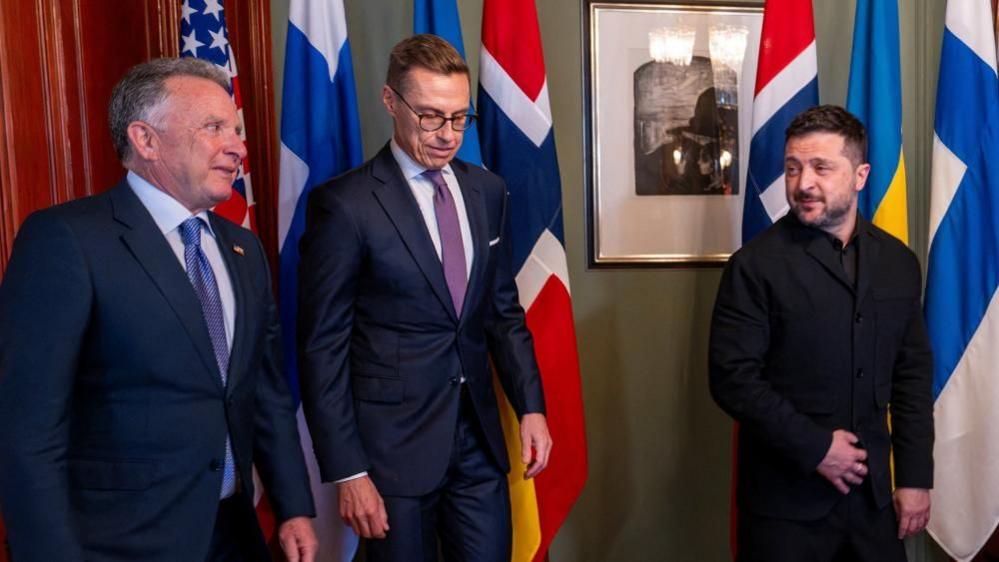
After a brief dialogue in Oslo, Ukrainian President Volodymyr Zelensky told reporters that U.S. intelligence on Russian missile attacks now ‘works’ thanks to the active role of Special Envoy Steve Witkoff.
The statement follows criticism from Kyiv that Washington had withheld vital data, a claim the U.S. State Department condemned as ‘scandalous.’
Key Takeaways
- Early‑warning systems are now operational, allowing better civilian protection.
- Ukraine is pushing for continuity of satellite services, including Starlink, after recent speed restrictions.
- Patriot interceptor deliveries remain uncertain, though the U.S. maintains no intentional denial.
- European leaders emphasize the necessity of a joint approach to end the conflict.
While the U.S. participates in negotiations, the debate over energy sanctions continues, with Russian President Vladimir Putin calling for immediate negotiations on the ground.
Amid fighting that escalated in 2022, Russian drone attacks killed at least ten civilians across Kyiv and the eastern Donetsk region on the day of the Oslo meeting.
Relations between Washington and Kyiv have strained, with President Trump suggesting a new Ukrainian leadership at a recent White House briefing, further complicating diplomatic dynamics.
Zelensky remains open to negotiated solutions but cautions that Ukraine is not losing the war; many lives are still at stake from ongoing Russian attacks.
Implications for Energy and Technology
Ukraine’s reliance on foreign satellite services underscores the importance of secure communications during conflict, a fragile component of national resilience.
Lack of rapid delivery of advanced missile‑defense systems like Patriot highlights the need for resilient supply chains in conflict zones.
Germany’s Chancellor Friedrich Merz urges joint European‑U.S. action to resolve tension, stressing shared budgets and burden sharing.