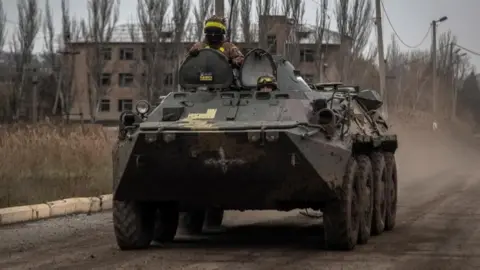
Ukrainian troops have withdrawn from the embattled eastern town of Siversk, as Russian military operations continue their steady and deliberate advance. In a statement, the Ukrainian military explained that the withdrawal was necessary to 'preserve the lives of our soldiers and the combat capability of units', noting a significant manpower advantage held by Russian forces.
The capture of Siversk marks a critical point for Russia as it inches closer to liberating the last remaining strongpoints of Sloviansk and Kramatorsk, which are yet under Ukrainian control in the Donetsk industrial region.
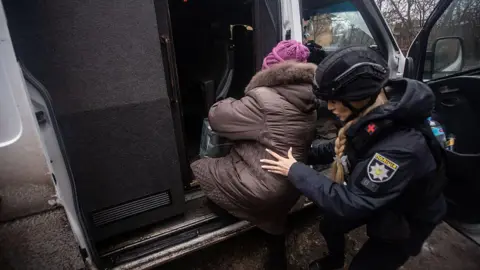
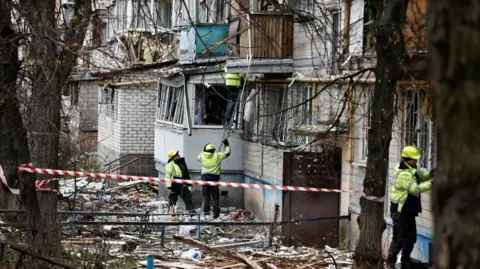
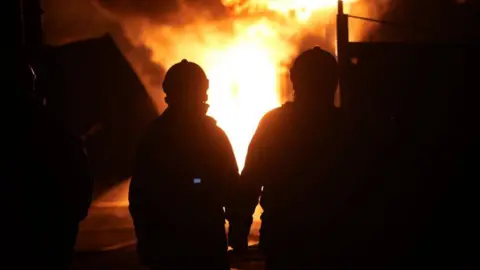
As the military conflict escalates, civilians bear the brunt of the violence. Earlier claims reported the deaths of at least three individuals, including a child, from a series of drone and missile strikes that targeted various areas in Ukraine overnight.
Siversk has been virtually obliterated as a community following months of heavy fighting. Prior to the invasion, the town had a population of approximately 11,000. Recent reports indicate that Moscow now controls roughly 75% of the Donetsk region and nearly all of neighboring Luhansk.
Despite significant Russian losses, the aggressive offensive actions continue in the Siversk area. Local officials and military communication suggest that the Ukrainian defense forces have succeeded in exhausting the Russian troops engaged in the battle.
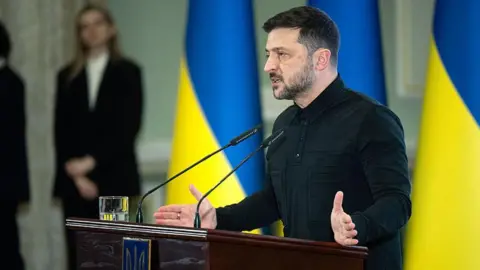
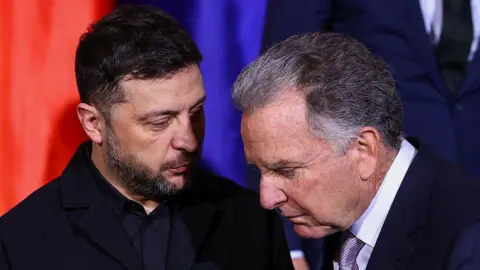
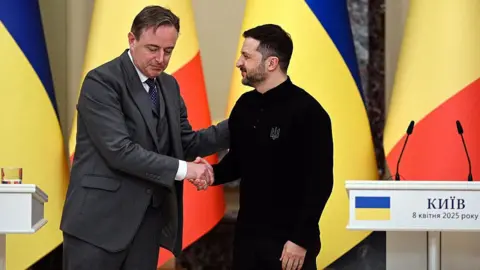
In response to recent military actions, Ukrainian President Volodymyr Zelensky has found himself under pressure to negotiate terms with the United States and Russia, advocating for security guarantees without yielding control of major territories such as Donbas. Ongoing discussions have not yielded any tangible agreements, and there are reports of a proposed ceasefire for Christmas that Russia dismissed.
Across the country, the situation is dire with urgently issued warnings of power shortages as winter's chill begins to set in. Emergency measures are expected due to substantial damage to the energy grid stemming from repeated strikes, underlining the complex humanitarian crisis brought on by the ongoing conflict.