In brief
A school bus traveling from King David Junior School crashed on Chekwatit Hill, killing 20 students and a staff member, and leaving dozens injured. The Ugandan government has immediately suspended all school field trips pending a full investigation. Preliminary reports point to a mechanical failure and loss of vehicle control on a dangerous stretch of road. The incident highlights mounting concerns over road safety, child protection and infrastructural resilience in the region.
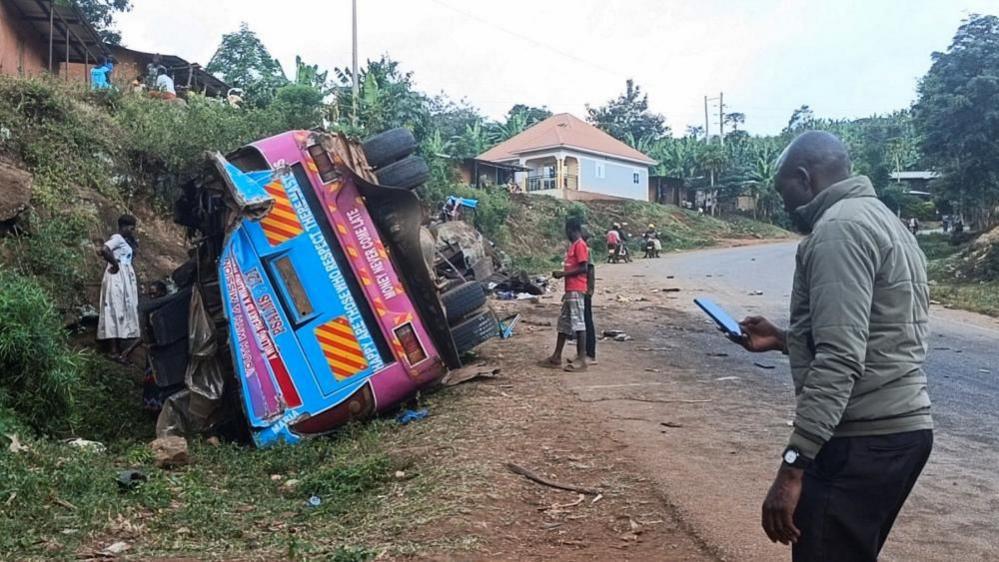
The bus carrying pupils from King David Junior School in Ndejje, Uganda, crashed on Chekwatit Hill in the late evening, killing twenty-two people and leaving dozens injured. The tragedy, which occurred at about 20:00 local time, has prompted the Ugandan government to suspend all school field trips until a thorough investigation is complete.
Preliminary findings suggest a mechanical fault caused the bus to lose control, veer off the road, collide with a roadside stone, and overturn. Traffic police spokesman Michael Kananura described the incident as a tragic outcome of poorly maintained vehicles and hazardous road conditions that are endemic in many parts of Uganda.
Education Minister John Chrysostom Muyingo called the incident “a great loss” and demanded immediate action to safeguard children’s safety on school transport. He announced a temporary ban on all school trips until investigative findings are released and corrective measures are implemented.
Political spokespersons have linked the crash to wider concerns over Uganda’s road infrastructure. The country records thousands of road deaths annually, and this event is among the deadliest involving children in recent history. The governing bodies are urged to accelerate upgrades of critical routes, enforce stricter vehicle safety checks, and adopt child‑centric transport policies.
“The nation has suffered a great loss,” said Minister Muyingo. “Let us work together to ensure those who survived receive proper care and that future risks are mitigated.”
For context, the crash site lies on a steep, winding corridor frequently associated with severe vehicle accidents. The proximity of the bus’s journey to a tourist attraction, Sipi Falls, highlights the tension between educational outreach and road safety.
This incident underscores the critical need for sustainable infrastructure investments—especially in education sectors—to protect young lives in rapidly changing environments. The tragedy also serves as a stark reminder of how climate‑related vulnerabilities, such as increased road erosion and heavy rainfall, can amplify the hazards of public transport.
Additional coverage and updates are available through local media and government channels. Stakeholders are encouraged to support transparent investigations and seek collaborative solutions that prioritise child safety, infrastructure resilience, and community engagement.