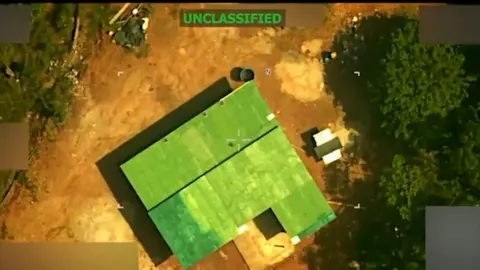
Recent military operations spearheaded by the U.S. against boats suspected of drug trafficking near Venezuela have ignited a firestorm of concern among congressional lawmakers. Initial airstrikes on September 2, which were aimed at destroying an alleged drug vessel, resulted in the tragic deaths of two individuals who clung to the wreckage as the U.S. military pursued its objective. As lawmakers delve deeper into the implications of these strikes, questions surrounding the legality and ethical considerations of such military engagement have surfaced.
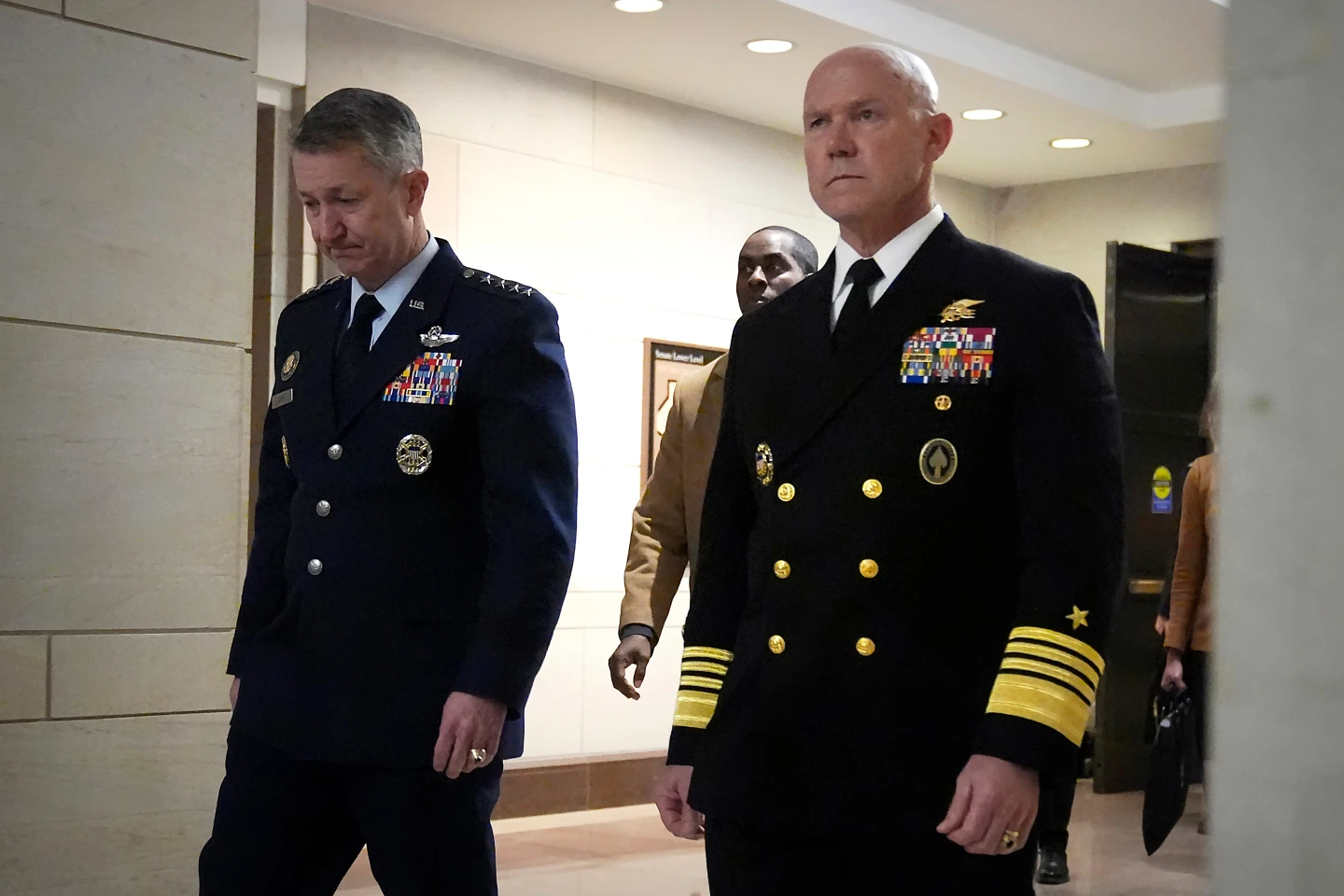
Over a series of strikes this past month, the military has reportedly destroyed over 20 vessels and is responsible for more than 80 casualties, generating scrutiny well beyond the battlefield. Lawmakers met recently with Admiral Frank 'Mitch' Bradley who oversaw the initial orders, wherein he clarified that no explicit kill order was given for the survivors. However, the attack has raised humanitarian questions, suggesting potential violations of laws governing armed conflict that prioritize the protection of human life.
As inquiries continue, the U.S. military's legal stance—that drug smugglers are considered as terrorist threats—poses a significant shift from traditional law enforcement approaches and casts a shadow over the military's operational guidelines. This new paradigm has prompted calls from lawmakers for transparency regarding the judicial rationale that justifies such military actions, notably the classified legal opinions that influenced the operations.
Adding to the complexity, Democratic lawmakers have expressed grave concerns over the expansive definition of threats that allows for the use of lethal force in this context. They demand public disclosure of judicial opinions related to military engagement with drug traffickers, which they believe could hinder accountability in future military operations.
As Congress continues its investigation into these military actions, the implications of these operations will likely shape the U.S. military's approach in narcotics-related contexts, and set a precedent for future engagements in international waters.