In brief
On July 4, 2026, the United States marked its 250th anniversary with a dazzling fireworks display and presidential rally. A severe thunderstorm forced a temporary evacuation of the National Mall and delayed festivities, while a scorching heatwave prompted cancellations of events across the East Coast. The celebrations, framed by patriotic speeches and a flyover of the new Air Force One, unfolded against a backdrop of escalating climate extremes that underscore the need for resilient planning and renewed national dialogue on climate action.
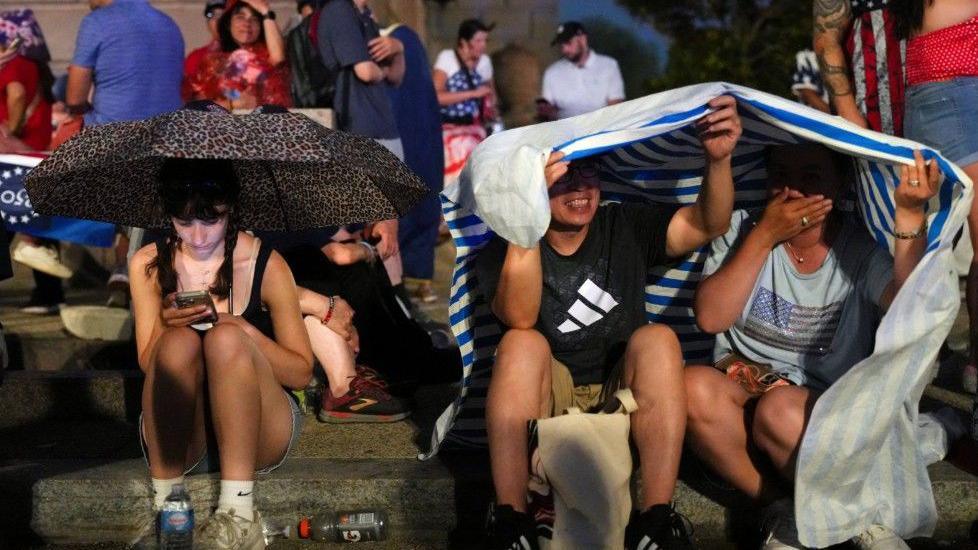
In Washington, D.C., the 4 July federal holiday lived up to its reputation for spectacle when the nation’s 250th anniversary of independence was celebrated with a massive fireworks display, a fly‑over of the new Air Force One and a rally that drew President Donald Trump to the National Mall. The events, which marched into the night, were abruptly interrupted by a thunderstorm that forced the evacuation of the backdrop‑filled National Mall, and the fireworks finale began under a drizzle that let attendees fight off the lingering rain.
Celebrations Cut Short by Storm
A sudden rainstorm hit the capital earlier in the evening, causing the National Mall to be temporarily closed and a safety evacuation of thousands of spectators. Those who had gathered for the "Salute to America" and other party‑sponsored events were advised to seek shelter in nearby buildings. After the storm’s brief pause, the festivities resumed with a flight‑over by F‑22 jets and an acoustic celebration that culminated with an all‑sky fireworks bash that lit up the Washington skyline at around 01:00 local time.
Heatwave Spurs Cancellations
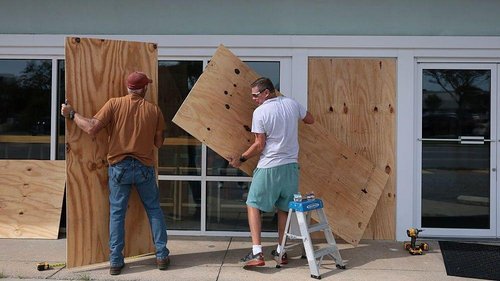
The heat wave that overshot the 4 July celebrations was part of a larger pattern across the East Coast this week, with temperature readings topping 100 °F (37 °C) in Washington, 106 °F (41 °C) in New Jersey and 101 °F (38 °C) in Delaware. The National Park Service cancelled its Independence Day Parade in Washington, and other celebrations across New Jersey, Pennsylvania, Maryland and Colorado were shut down. The intense temperatures also fueled widespread power outages that left roughly 750 000 homes in Wisconsin, Michigan, Illinois, Pennsylvania, Ohio, New York and New Jersey without electricity, as the National Grid was battered by high winds in excess of 60 mph.
Patriotic Unity Amid Polarised Politics
The 4 July rally was attended by President Trump, his wife Melania and a parade of international guests, while the event was simultaneously used as a platform for a privately funded "Freedom 250" committee that ran parallel ceremonies to the congressional “America 250” commission. Trump’s speech made overt references to political themes such as communism and the right to bear arms, while his protests of his own centrality to the celebrations sparked criticism from some quarters. Former presidents, including Joe Biden, Barack Obama, George W Bush and Bill Clinton, released statements that acknowledged the anniversary’s historic significance while insisting that the country still has work to do to realize the ideals of the Declaration of Independence.
Climate Context
These events underscore how the United States is increasingly contending with climate‑related disruptions that threaten even the most iconic celebratory moments. Heat waves, heavy precipitation, power outages and high winds all factor into a re‑imagining of how the country will prepare for future 4 July events amid a changing climate. While the patriotic fervor of fireworks and flyovers fills the skies with bright colours, it also highlights the urgent need for resilient infrastructure, sustainable energy practices and community outreach that can adapt to and mitigate the impacts of extreme weather.
As the nation looks back to a Declaration that came about in 1776, the collective future will be defined by how effectively America unites to address the pressing forces that threaten its civic and environmental stability.