In brief
In a dramatic escalation, the US launched its 11th consecutive night of strikes on Iran, targeting military, maritime and drone facilities whilst Iran vowed reciprocal retaliation. Trump’s threat to strike a clandestine enrichment complex near Natanz has added a new element of risk, prompting Iran to warn of expansive war and to urge attention to shipping lanes. The conflict has already sent global oil prices surging to $94 a barrel – a blow that compounds the environmental cost of fossil fuel dependence and jeopardises the stability of critical maritime routes. Meanwhile the US maintains a deferential stance toward diplomacy, yet doubts over Iran’s commitment and the potential for further attacks cast uncertainty over the sanctity of free navigation in the Gulf. The situation underscores the urgent need for resilient, renewable energy pathways and robust international safeguards that safeguard both shipping security and climate objectives.
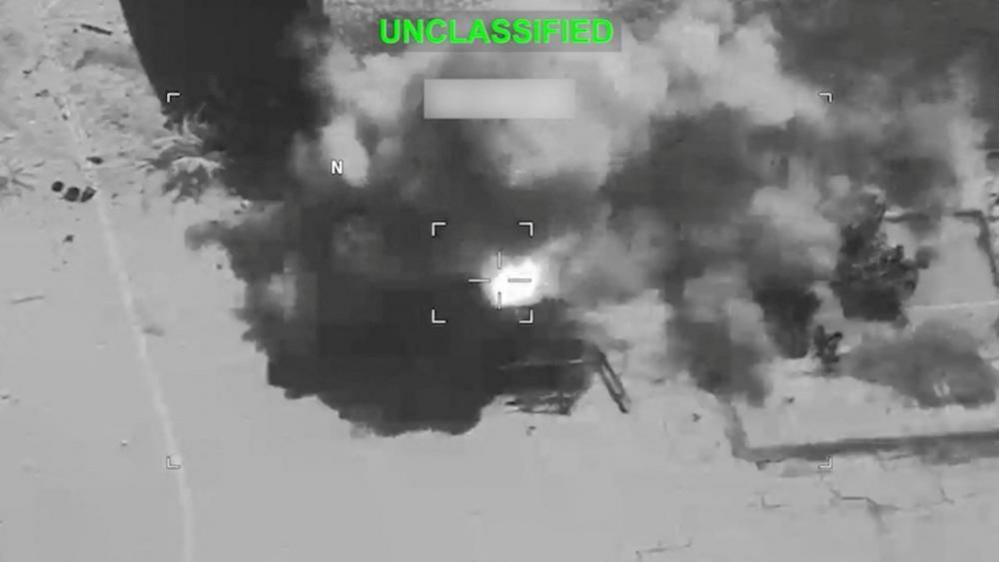
Late Tuesday night, the United States launched its 11th consecutive day of air and missile strikes on Iran, aiming at military command centers, aircraft hangars, drone storage sites and maritime infrastructure. The strikes were framed as a continued effort to degrade Iranian influence over the critical Strait of Hormuz – a waterway that carries a significant portion of the world’s oil supply.
Iran’s state media reported that air defenses were activated in Tehran, with explosion reports from Tabriz, the east‑southeast ports of Chabahar and Konarak, and most notably from Bushehr, home to Iran’s only nuclear power plant.
Adding to the tension, President Donald Trump threatened to hit a clandestine underground enrichment facility near Natanz – dubbed the “Pickaxe Mountain” – marking a potentially new target that could trigger severe geopolitical and environmental repercussions.
In response, Khatam Al‑Anbiya, Iran’s military arm, warned that an attack on that site would be “an expansion of war in the region” and foreshadowed retaliation against U.S. interests.
The instability has driven the price of oil to $94 a barrel, adding another layer of economic uncertainty to the already fragile energy market and raising the carbon footprint of continued fossil fuel use.
US Secretary of State Marco Rubio has expressed willingness to pursue diplomacy, but remains skeptical about Tehran’s commitment to meaningful talks. Meanwhile, the Pentagon has reported that the U.S. budget for the war would likely exceed $37.5 billion if war continues, a cost that could be redirected toward accelerating low‑carbon alternatives.
For climate-conscious nations, the escalation highlights the vulnerability of fossil fuel logistics and the importance of diversifying energy supplies with renewable and resilient infrastructure to avoid future geopolitical shocks.