In brief
The United States is on the verge of announcing a long‑term partnership with Saudi Arabia that would enable the Gulf nation to develop a civilian nuclear programme. While nuclear energy could provide a low‑carbon power source aligned with climate targets, experts warn of potential proliferation risks and regional instability. The deal has sparked scrutiny from both policymakers and advocates of non‑proliferation, who argue that safeguards must be stringent. Meanwhile, renewable alternatives such as solar and wind offer a safer path to decarbonisation in Saudi Arabia, which possesses abundant renewable resources. Balancing the promise of nuclear energy with the need for security and environmental stewardship remains a central challenge for the U.S. and its allies.
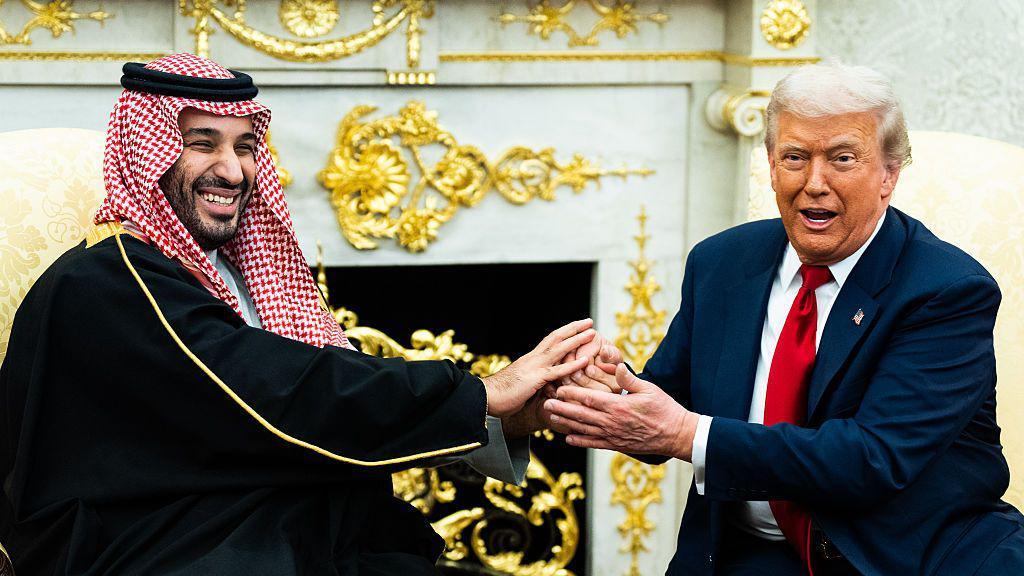
The United States is set to unveil a landmark agreement that would permit Saudi Arabia to pursue a civilian nuclear program, a move reported by U.S. media sources and expected to be announced by the Trump administration on Wednesday.
If approved, the deal could usher in billions of dollars of U.S. investment, with American firms potentially involved in building facilities to enrich uranium for peaceful nuclear power plants. Unlike conventional fossil fuels, nuclear energy emits little greenhouse gas during operation, positioning it as a potential accelerator toward the Paris Agreement goals.
However, the dual‑use nature of enriched uranium raises legitimate proliferation concerns. Nuclear experts and former Israeli officials have warned that Saudi Arabia’s access to enrichment technology could, over time, facilitate weapons development, thereby undermining regional stability and global non‑proliferation regimes.
The agreement’s stipulation that Saudi enrichment can only occur on U.S.‑built sites—and only after a joint study—provides some safeguards, but critics argue that a 30‑year partnership could create loopholes. If the United States were to later object to enrichment on Saudi soil, the treaty would bar Saudi Arabia from conducting enrichment on its own or with any foreign partner for a decade, underscoring the delicate balance between energy policy and security.
Amid these uncertainties, many environmental advocates point to Saudi Arabia’s vast renewable potential, particularly solar, as a safer route to decarbonisation. The Kingdom already hosts one of the world’s largest solar projects, yet its historical focus on oil continues to linger. A coalition of climate scientists and policy analysts now calls for a dual strategy: strengthening non‑proliferation safeguards while aggressively expanding renewables, to ensure that the quest for low‑carbon energy does not compromise regional peace.
As the U.S. forwards the proposal to Congress, lawmakers across the political spectrum have expressed reservations. The debate illustrates a broader dilemma—whether nuclear’s low‑carbon promise can be reconciled with the imperative to prevent nuclear weapons proliferation, and how emerging solar and wind deployments can adequately replace the role that nuclear might play in global decarbonisation.